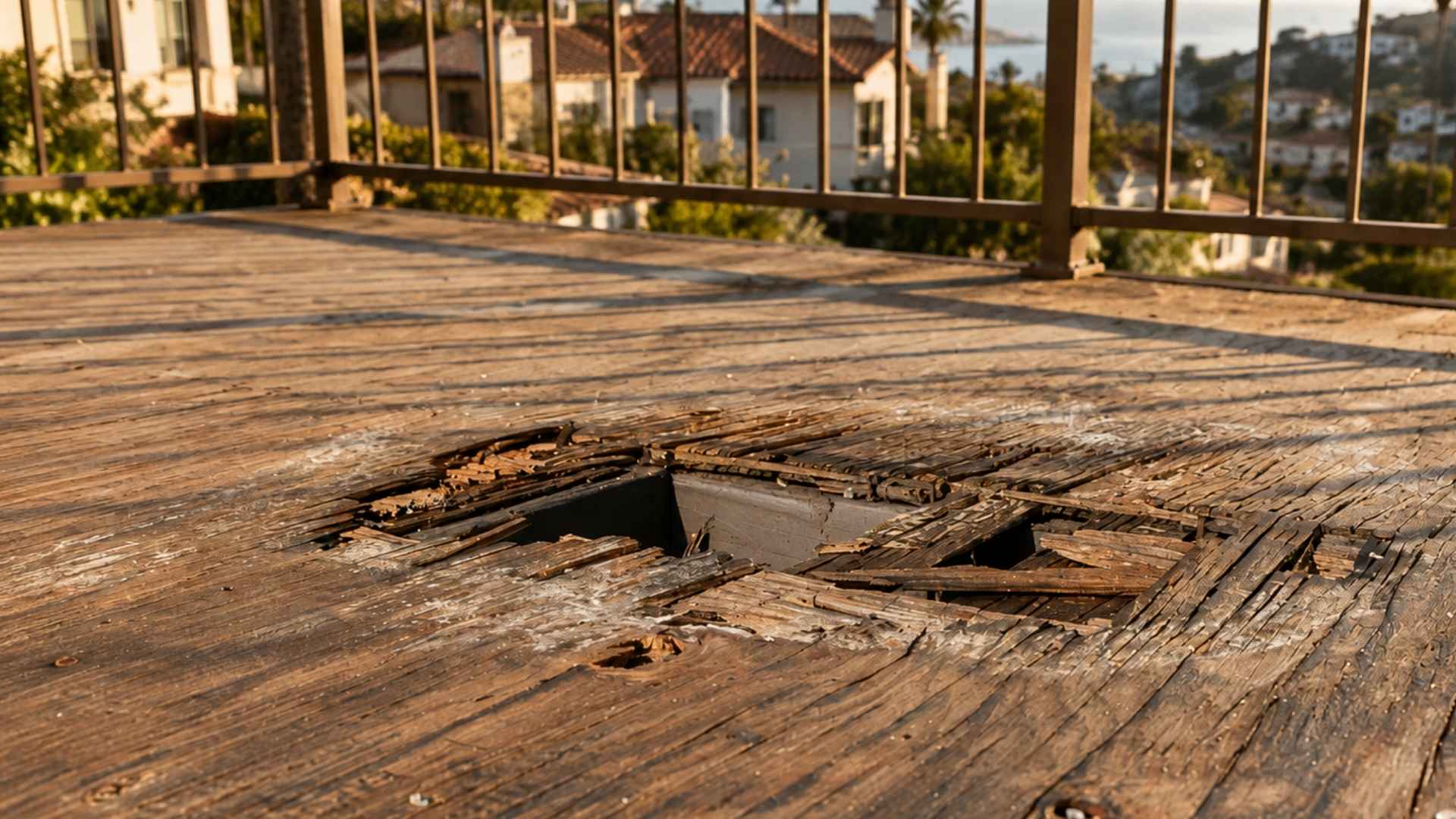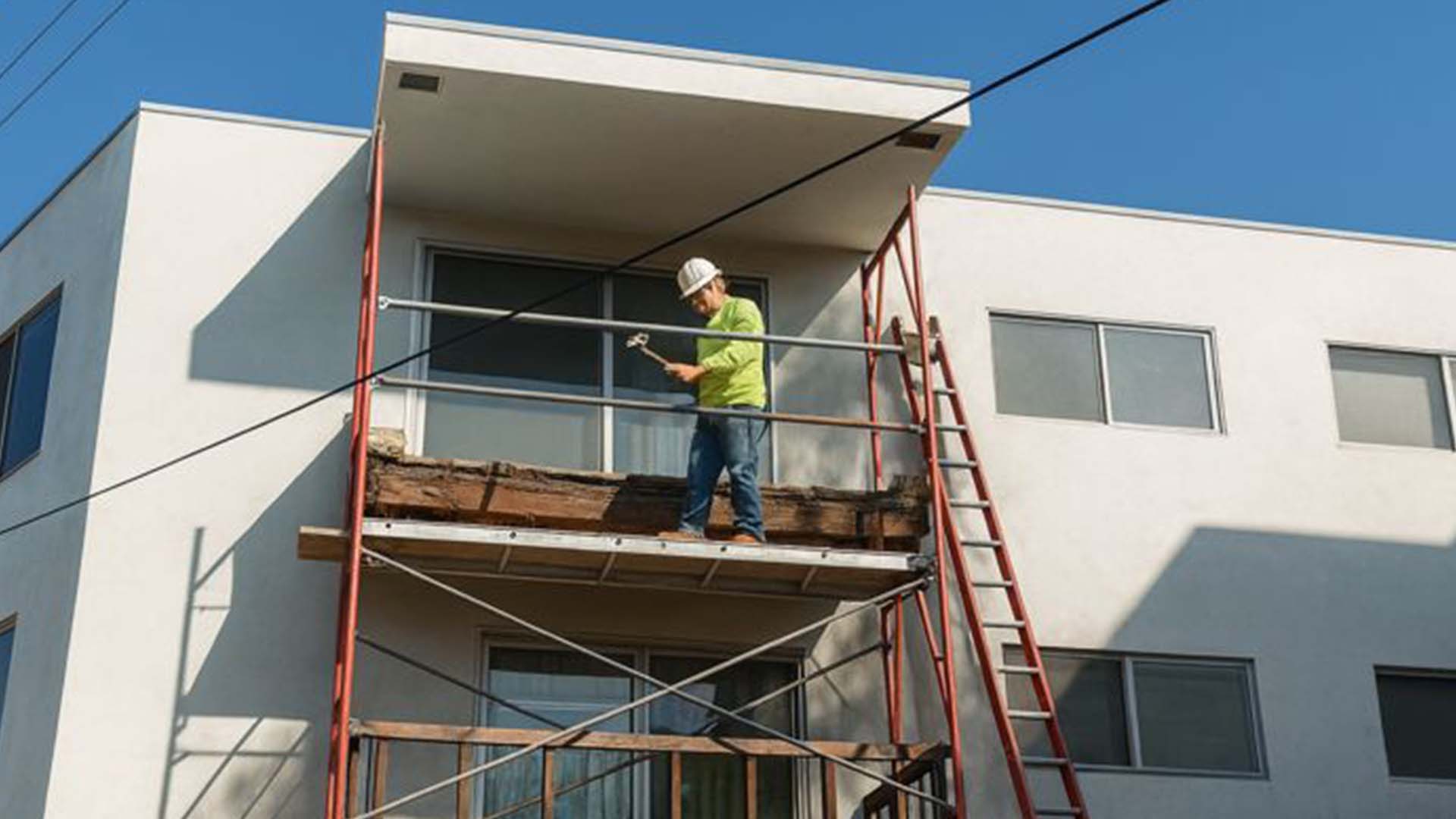
A missing SB 326 report in a condo sale can create document requests, buyer questions, and avoidable uncertainty during escrow because California Civil Code section 4525 now includes the most recent section 5551 inspection report in the resale disclosure package. The law does not say that every missing report automatically cancels or delays a sale, but
an HOA that cannot produce a required document may force the parties to stop and determine why it is missing.
This article is for HOA boards, community managers, condominium sellers, and real estate professionals preparing for a California resale.
Is the SB 326 report now part of the condo resale package?
Yes. Effective January 1, 2026, SB 410 amended Civil Code section 4525 to require a copy of the report issued from the most recent exterior elevated element inspection conducted under Civil Code section 5551.
The seller of a separate interest must provide the required documents to a prospective purchaser as soon as practicable before transfer of title or execution of the real property sales contract. When the owner makes a written request, Civil Code section 4530 generally requires the association to provide the requested section 4525 documents within 10 days after the request is mailed or delivered.
The inspection report now belongs on the resale-document checklist alongside the association’s other required disclosures.
Does every condo seller have to order a new inspection?
No. SB 410 did not create a separate inspection that each seller orders for an individual unit.
The association is responsible for arranging the section 5551 inspection for qualifying exterior elevated elements for which it has maintenance or repair responsibility. The resale package includes the report from the most recent association inspection.
A seller should request the document package early. The HOA or manager should retrieve the existing report and provide it through the required process. If no report exists, the issue may be larger than one unit’s escrow.
Could a missing report actually delay the sale?
It could, but delay is not automatic and depends on the transaction.
A buyer may ask why a required report is absent. The buyer’s agent, lender, insurer, attorney, or other adviser may request clarification. The parties may need time to determine whether the project is subject to section 5551, whether the inspection was completed, whether the report was misplaced, or whether corrective work remains open.
Any of those questions can consume time during a transaction with fixed contingency and closing dates. That is why an association should not wait for an escrow request before discovering that its records are incomplete.
Avoid absolute statements such as “the condo cannot be sold” or “the lender will deny the loan.” Those outcomes are not dictated by section 4525 and depend on facts and decisions outside the HOA’s control. The accurate message is simpler: the report is a required resale document, and being unable to produce it can create a preventable obstacle.
What if the HOA completed the inspection but cannot find the report?
Search the association’s official records, management files, board packets, reserve-study materials, former management records, and communications with the inspection professional. Look for the complete final report, not just an invoice, proposal, summary, or repair estimate.
Civil Code section 5551 requires the association to keep inspection reports for at least two inspection cycles.
If the inspection professional can provide a replacement copy, confirm that it is the final issued report and store it in a durable location accessible to future managers and boards.
What if the HOA never completed its SB 326 inspection?
The initial inspection deadline for existing qualifying condominium projects was January 1, 2025. A missing report may therefore indicate an overdue association obligation, not merely a filing mistake.
Civil Code section 5551 generally applies to condominium projects with three or more attached multifamily dwelling units when the association has maintenance or repair responsibility for qualifying exterior elevated elements. The inspection must be conducted by a licensed civil engineer, structural engineer, or architect using a random, statistically significant sample.
If no inspection occurred, the board should promptly seek property-specific legal advice, document its response, gather the project information, and coordinate an authorized inspection professional. It should not ask a contractor to create a retroactive letter and call it an SB 326 report.
What will buyers see in the report?
The report addresses the covered load-bearing components and waterproofing systems, their current physical condition, expected future performance and remaining useful life, and recommendations for repair or replacement.
Under the current section 5551 requirements, the first page also contains specified project and inspection information, including the inspection date, project unit and exterior-element counts, the number inspected, information about immediate-threat findings, and the inspector’s certification regarding the required evaluation and sample.
The report may therefore prompt reasonable questions about open repairs, reserve planning, access restrictions, or follow-up work. The HOA should prepare accurate answers and supporting records rather than attempt to minimize or reinterpret the inspector’s findings.
What if the report identifies repairs that are not complete?
The resale-disclosure requirement is not limited to reports with no findings. The most recent report is the relevant document.
If work is underway or complete, organize the associated plans, permits, contracts, photographs, professional sign-offs, and closeout information. If work remains open, the board should be able to explain the documented status, approved plan, funding decisions, and next steps, with guidance from its professionals and counsel.
Do not alter the inspection report or replace it with a more favorable summary. Provide the required report through the proper disclosure process and keep construction updates clearly identified as separate records.
How can an HOA avoid an escrow surprise?
The board and manager should perform a records check before the next unit is listed: 1. Confirm whether the project is subject to Civil Code section 5551.
- Locate the complete report from the most recent inspection.
- Confirm that the document is stored with the association’s resale records. 4. Identify immediate restrictions, repair recommendations, and open follow-up. 5. Organize supporting repair and completion documents.
- Make sure the resale-document provider knows that the report is required. 7. Establish who answers factual questions without offering legal or engineering conclusions.
One organized afternoon is easier than searching across years of emails after an escrow request arrives.
How does Balcony & Deck Advisors help?
Balcony & Deck Advisors helps HOA boards and property managers identify the appropriate inspection path, coordinate the licensed inspection professional, organize property information and access, and understand the resulting report. The licensed civil engineer, structural engineer, or architect performs the statutory SB 326 inspection and issues the report.
If the report recommends construction, affiliated company LA Construction Consultants (CSLB License #1061967) can separately review the findings, develop a repair proposal, coordinate design professionals and permits when required, and perform approved work. The association may compare qualified repair proposals.
What should a seller do if escrow is already open?
Request the complete section 4525 package from the association or manager immediately and involve the appropriate real estate and legal professionals. Do not promise the buyer that the report is unnecessary, that it contains no important findings, or that a missing document will have no effect on the transaction.
If the report cannot be located, determine quickly whether the inspection occurred and who issued it. If no inspection occurred, the board needs an association-level response; this is not a problem that the individual seller can solve by ordering an ordinary home inspection.
Related reading: What SB 410 changed for HOA balcony reports · SB 326 compliance after the 2025 deadline
Next step: If your association cannot locate its latest SB 326 report—or never completed the inspection—request a free project review through our HOA deck inspection page or call 424-946-8057.
Written October 20, 2026. This article provides general information, not legal, escrow, lending, or engineering advice. Sellers, buyers, and associations should obtain advice for the specific transaction from their qualified professionals.