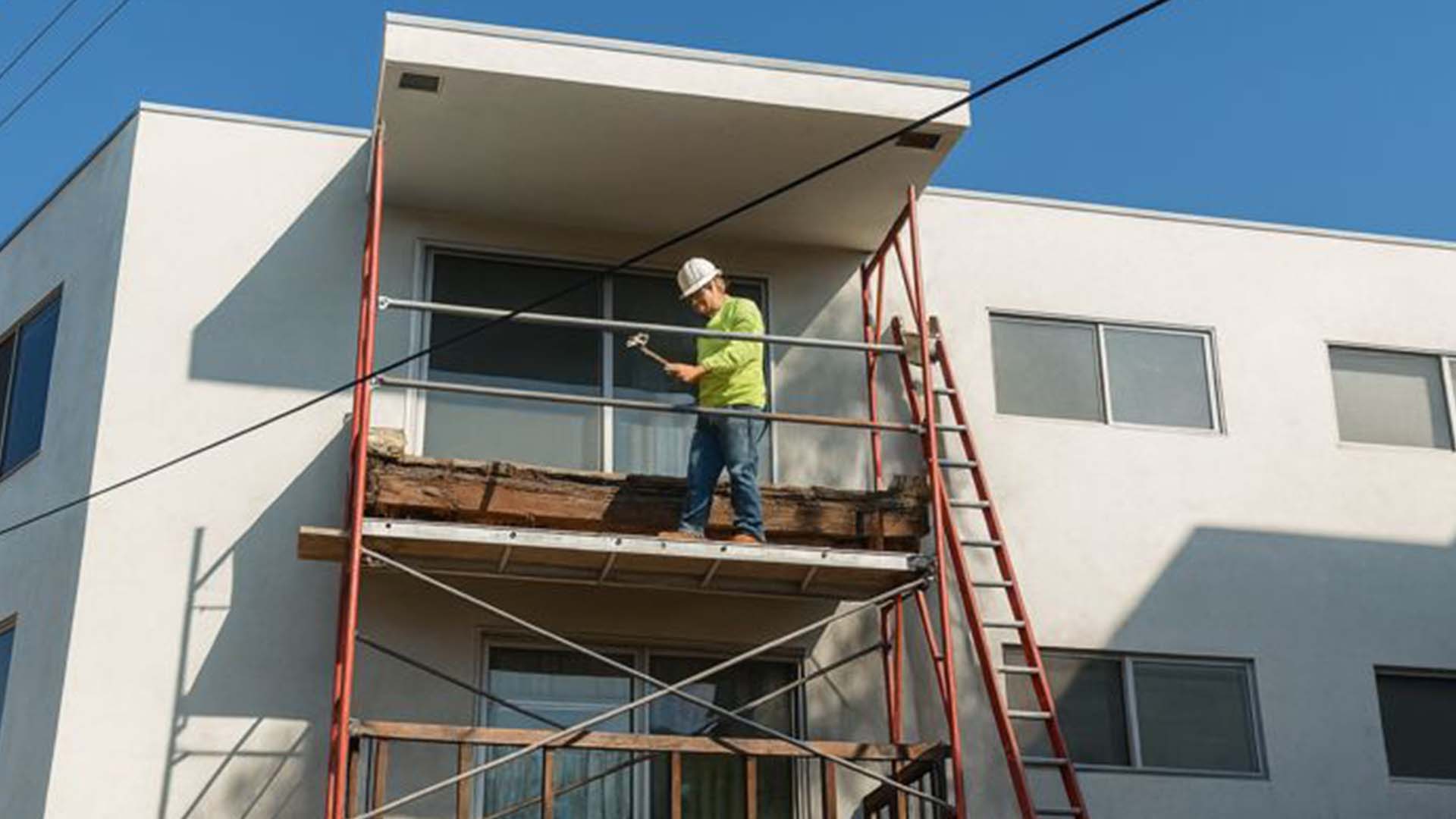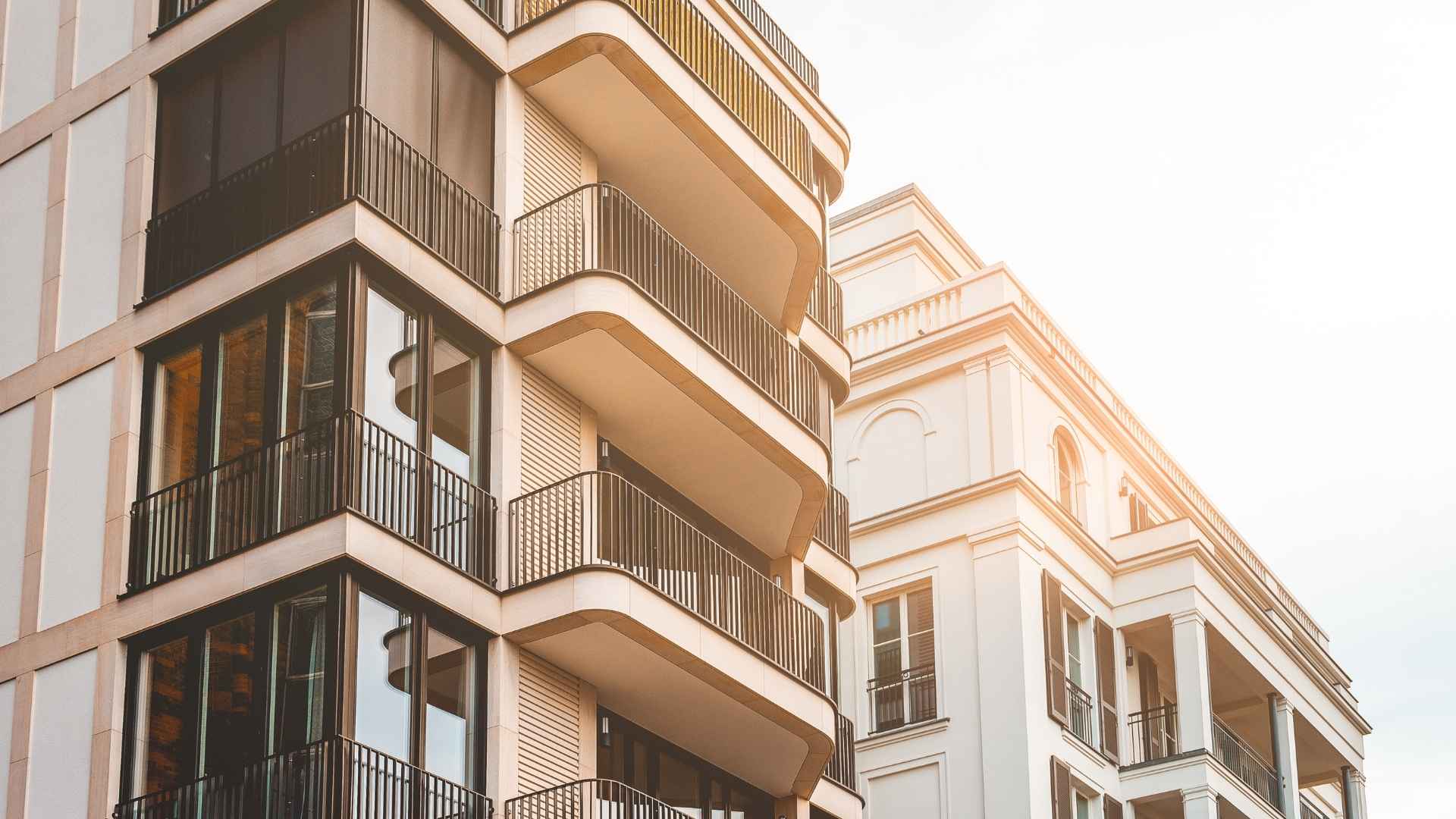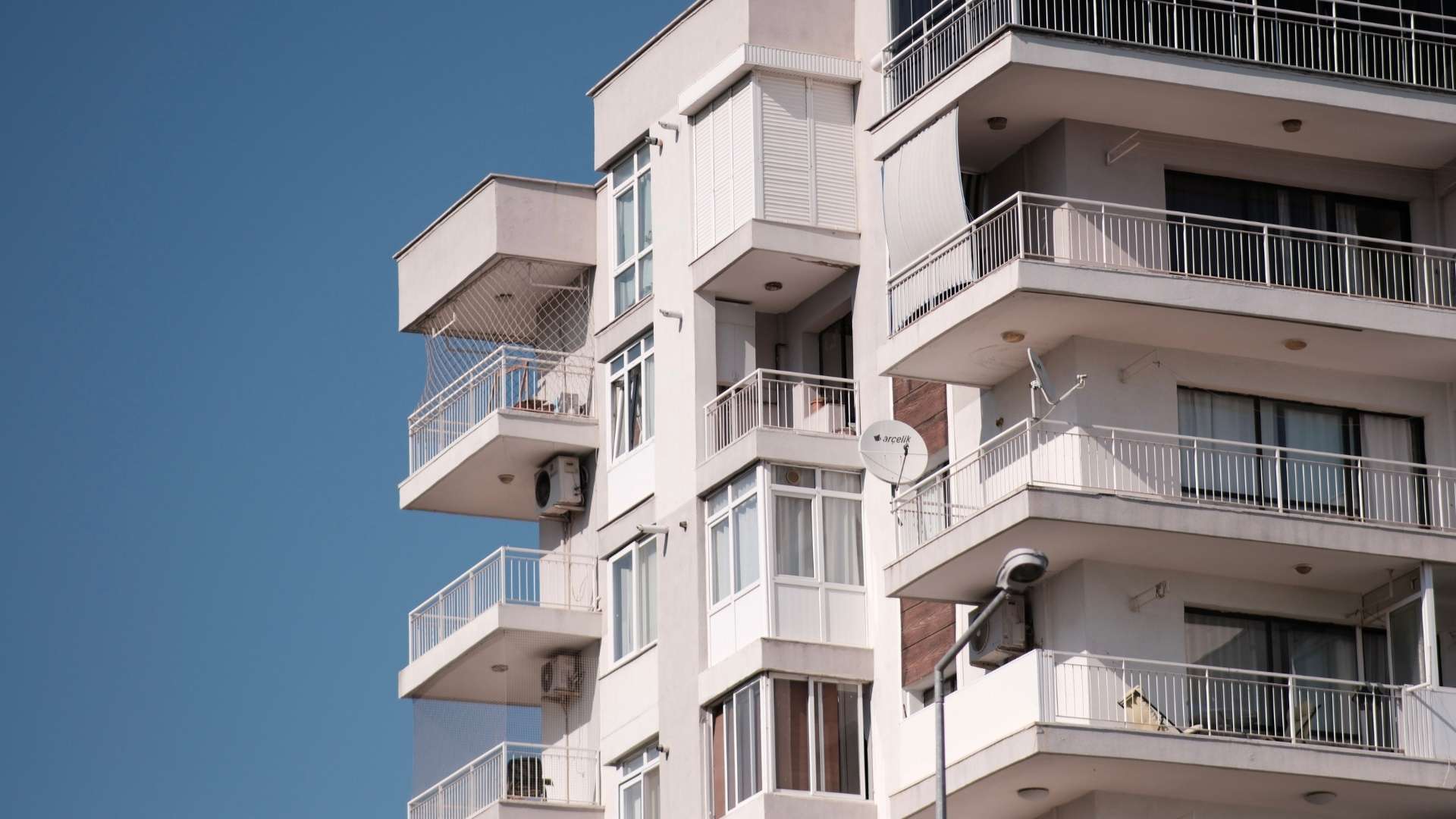
For California condominium associations, an SB 326 inspection is more than a visual walk-through of a few balconies.
Civil Code Section 5551 establishes a specific inspection framework for qualifying exterior elevated elements in covered condominium projects. The process involves identifying the elements for which the association has maintenance or repair responsibility, selecting a statistically significant sample, conducting the inspection through an appropriately licensed professional, and producing a written report for the association.
For HOA boards and community managers, understanding that process before inspection day can make the project considerably easier to manage.
The Association First Identifies the Property and Its Responsibilities
One important distinction under SB 326 is that the association’s maintenance and repair responsibilities matter.
The inspection generally concerns qualifying exterior elevated elements for which the association has responsibility under the governing documents.
That makes it useful to assemble relevant documents before the inspection begins.
These may include governing documents, site plans, architectural drawings, previous inspection reports, reserve studies, repair records, and information about known leaks or prior balcony work.
The Exterior Elevated Elements Are Inventoried
The inspection team needs to understand what qualifying elements exist throughout the project.
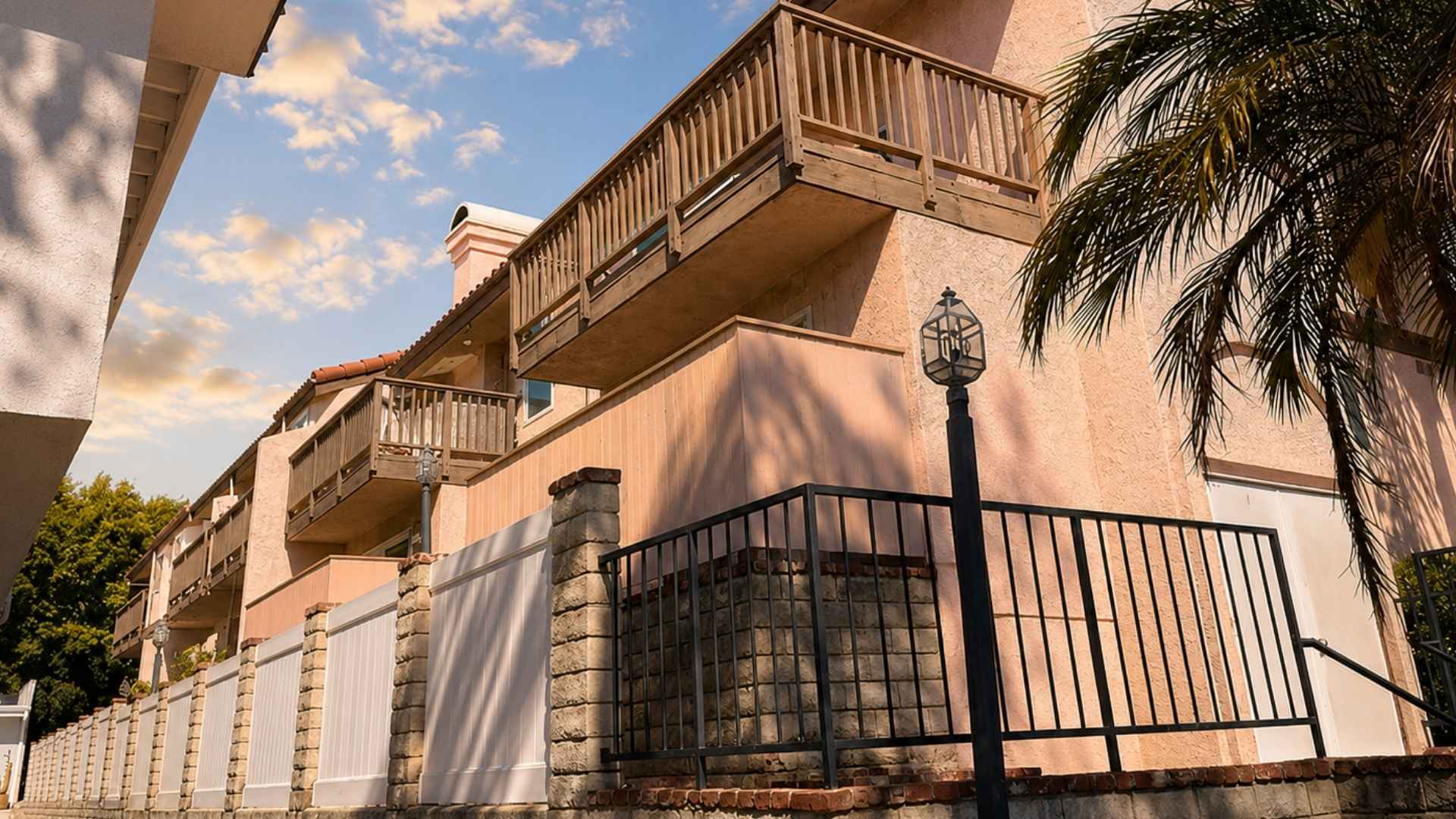
Depending on the property, these may include balconies, decks, stairways, walkways, and related elevated components meeting the statutory definition.
The inventory helps establish the population from which the inspection sample will be selected.
This is particularly important for larger condominium communities with multiple buildings or repeated balcony configurations.
SB 326 Uses Statistical Sampling
SB 326 does not simply require a fixed percentage of balconies to be examined.
The statute uses a random and statistically significant sample.
Under the current definition, the sample must be sufficient to provide 95 percent confidence that the results are reflective of the whole, with a margin of error no greater than plus or minus 5 percent.
That is very different from the SB 721 requirement applicable to many apartment properties, which uses a minimum 15 percent sample of each type of exterior elevated element.
The actual SB 326 sample therefore depends on the number and population of qualifying elements at the condominium project.
The Inspector Must Meet SB 326 Qualifications
SB 326 inspections have a narrower inspector qualification requirement than SB 721.
The inspection must be performed by a California-licensed structural engineer, civil engineer, or architect.
That distinction is important for HOA boards selecting an inspection provider.
Balcony & Deck Advisors coordinates the inspection process and works with appropriately licensed professionals for SB 326 inspections.
The Inspector Evaluates Structural and Waterproofing Conditions
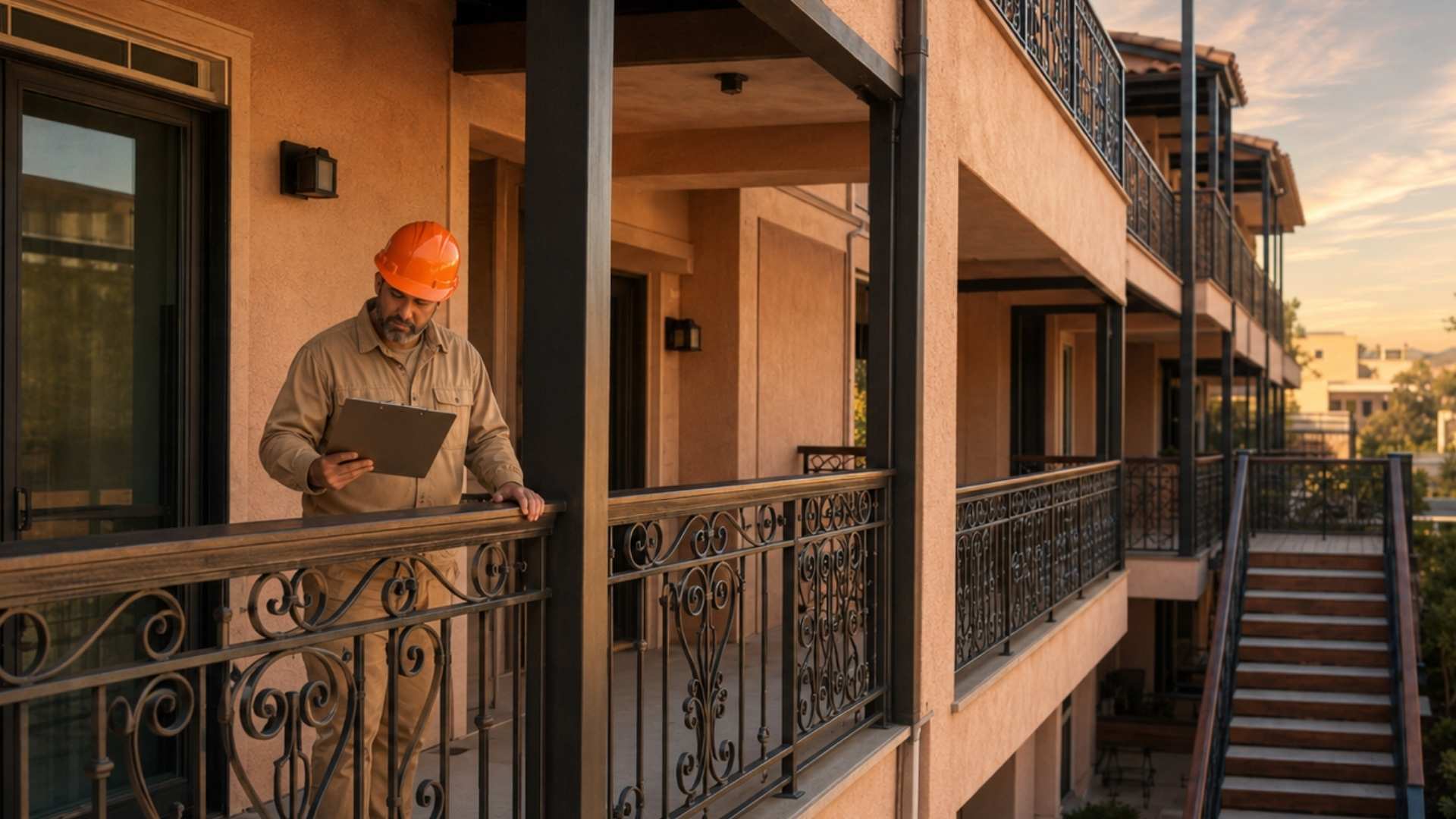
The inspection is intended to evaluate the condition of qualifying exterior elevated elements and their associated waterproofing systems.
The inspector considers the load-bearing components, waterproofing systems, and conditions that could affect expected performance.
Areas of concern can include moisture intrusion, deterioration, decay, cracking, corrosion, failed coatings or membranes, damaged connections, or other visible indicators that further investigation may be appropriate.
The exact methods used depend on the property and professional judgment of the inspector.
Access Planning Is Particularly Important for HOAs
Condominium inspections can involve access through privately occupied units, restricted common areas, gates, rooftops, courtyards, or individual balconies.
The board and management company may need to coordinate resident notices well in advance.
It is useful to determine:
Which units require access
Whether balconies need to be cleared
Who will provide keys or gate access
Whether management staff will accompany the inspector
Whether multiple inspection days are required
Who will communicate schedule changes to residents
A good access plan can substantially reduce disruption.
The Association Receives a Written Inspection Report
The inspection culminates in a written report addressing the condition of the inspected exterior elevated elements.
Current Civil Code Section 5551 includes specific reporting requirements, and SB 410 added additional first-page information requirements effective January 1, 2026.
Among other information, the first page now identifies the inspection date, total number of units, number of units with exterior elevated elements, total number of exterior elevated elements, number inspected, and information concerning inspected elements identified as an immediate threat to occupant safety.
The report also includes a certification regarding the visual inspection and statistically significant sample.
These reporting changes make clear documentation especially important for HOA boards.
The Report Becomes an Important Association Record
Under the current law, SB 326 inspection reports have significance beyond the engineering file.
The most recent inspection report is now part of the documentation that may be required in connection with condominium resale disclosures, and inspector reports under Section 5551 are association records subject to statutory record requirements.
That makes proper retention and organization of the report increasingly important for boards and management companies.
What Happens When the Report Recommends Repairs?
The inspection identifies conditions and recommendations. It does not automatically provide the association with a complete contractor scope or construction proposal.
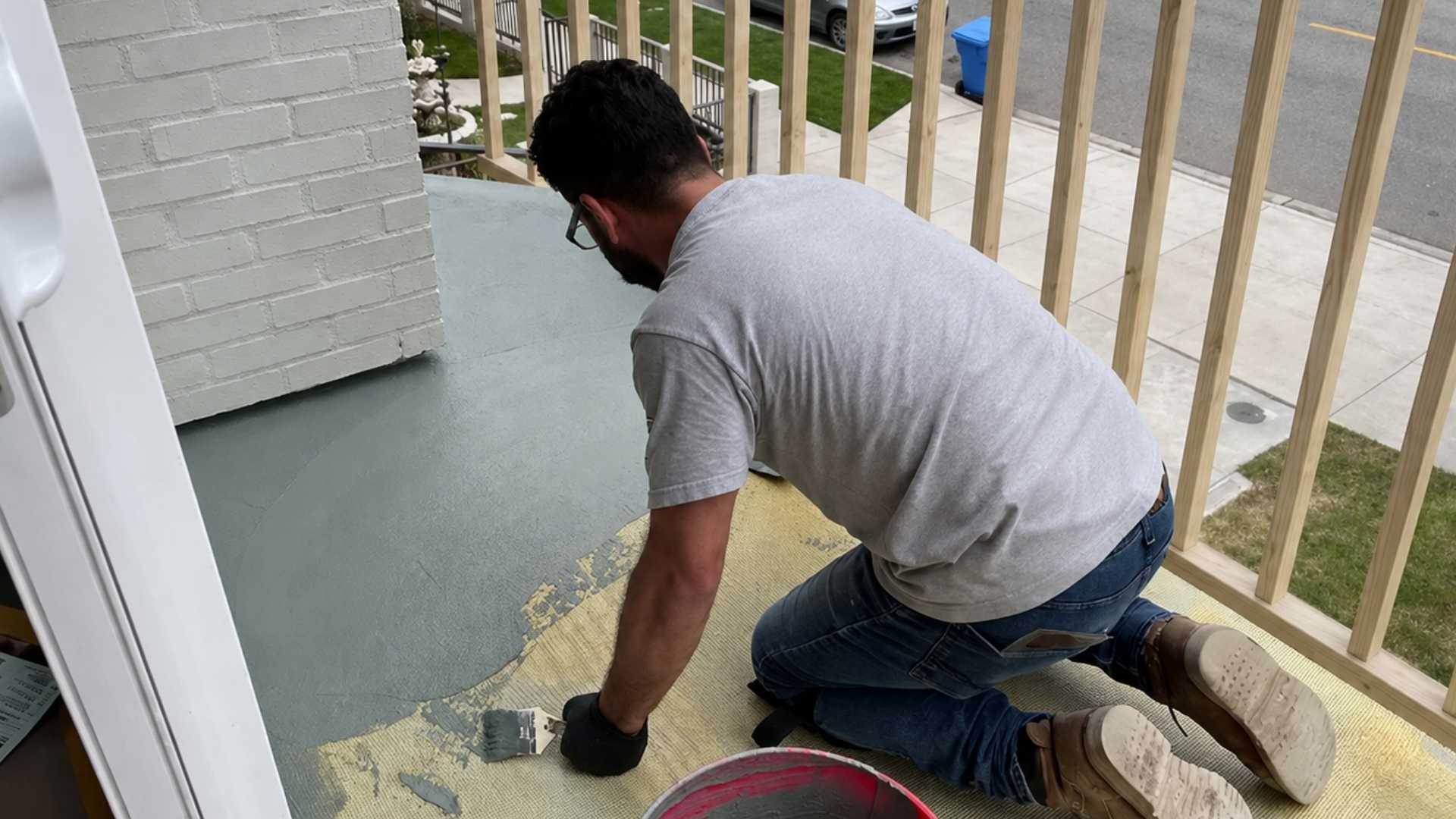
When corrective work is recommended, the HOA can move from the inspection phase into the construction planning phase.
LA Construction Consultants can separately review the inspection findings, develop a proposed construction scope, coordinate required architectural or engineering repair design, address permitting requirements, and prepare a repair proposal.
That keeps the roles clear.
Balcony & Deck Advisors focuses on the inspection process.
LA Construction Consultants focuses on executing the construction that may follow.
For HOA boards or community managers preparing for an SB 326 inspection in Los Angeles, contact Balcony & Deck Advisors to discuss the property, inspection requirements, and coordination process.