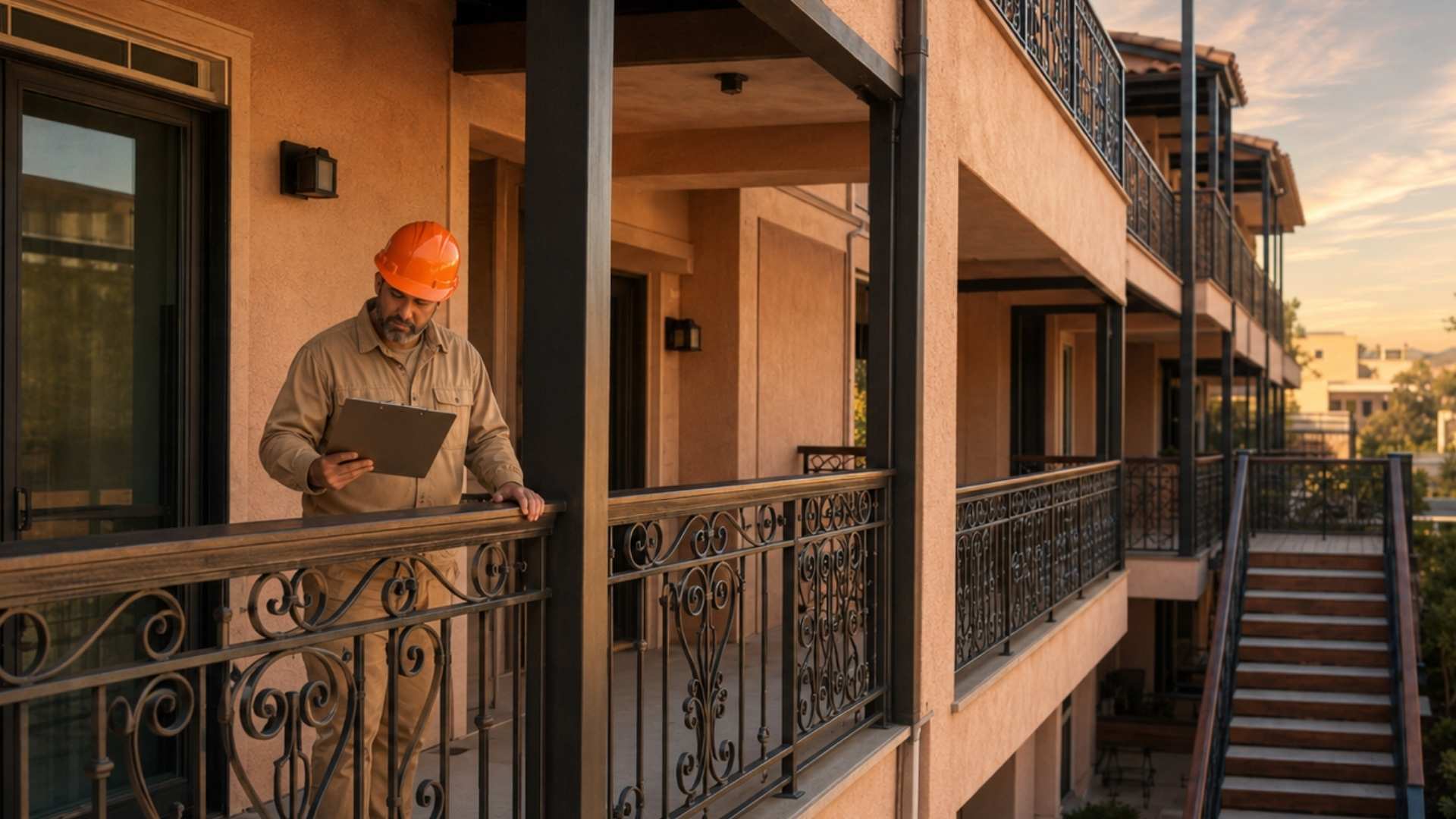
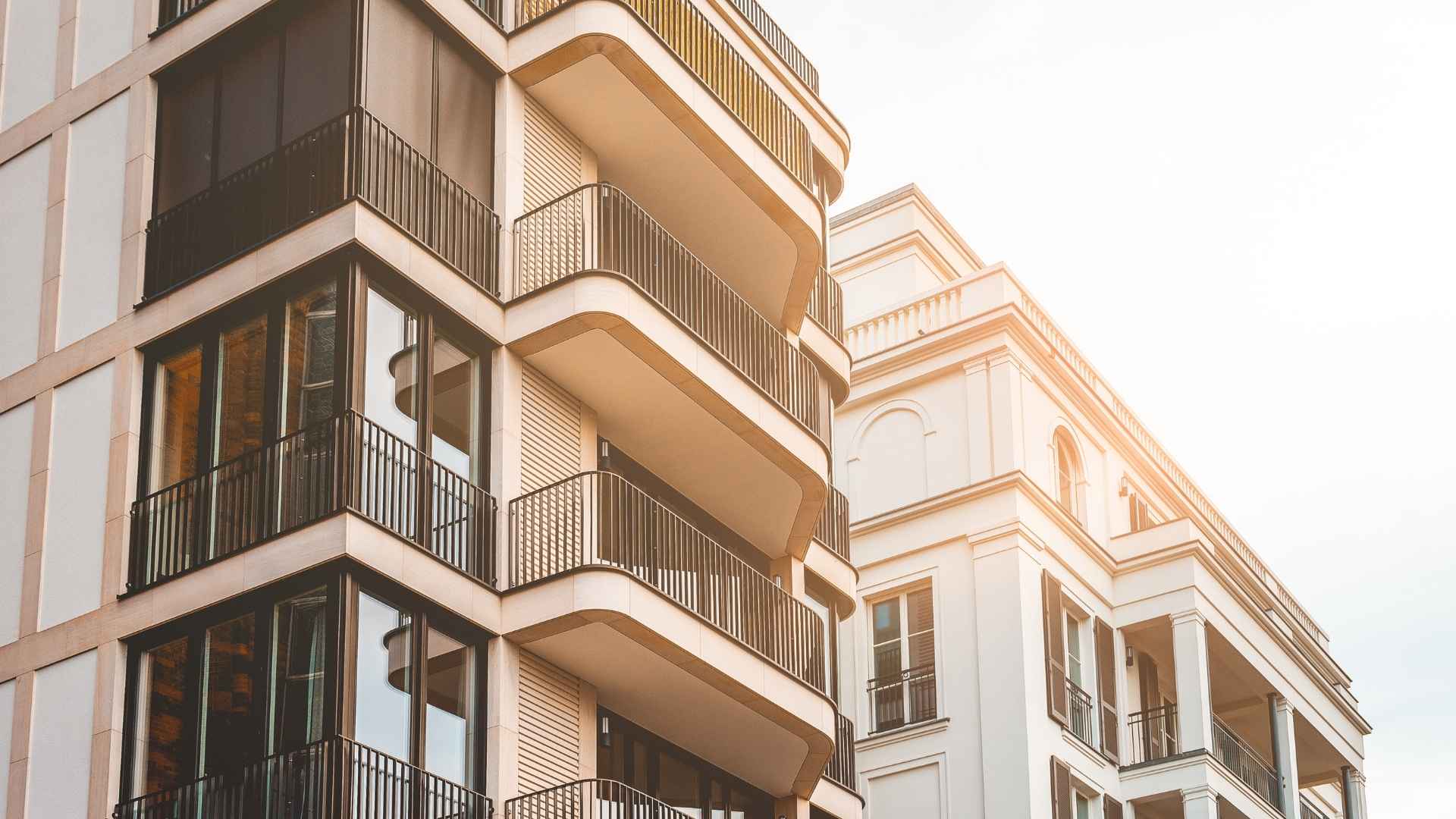
An SB 721 inspection goes much more smoothly when the property is prepared before the inspector arrives.
For apartment owners and property managers, preparation is largely about three things: understanding the property, providing access, and making useful records available.
You do not need to diagnose the balconies yourself. The goal is simply to give the inspector reasonable access and the information needed to conduct the inspection efficiently.
Gather Basic Property Information
Start with information that helps establish the size and configuration of the property.
Useful records may include:
Property address
Number of dwelling units
Building or site plans, if available
Property maps
Prior balcony inspection reports
Records of previous exterior stair or balcony repairs
Known leak history
Waterproofing records
Information about additions or modifications
Do not delay an inspection simply because old plans cannot be located. Many older Los Angeles buildings have incomplete records.
Provide what is reasonably available.
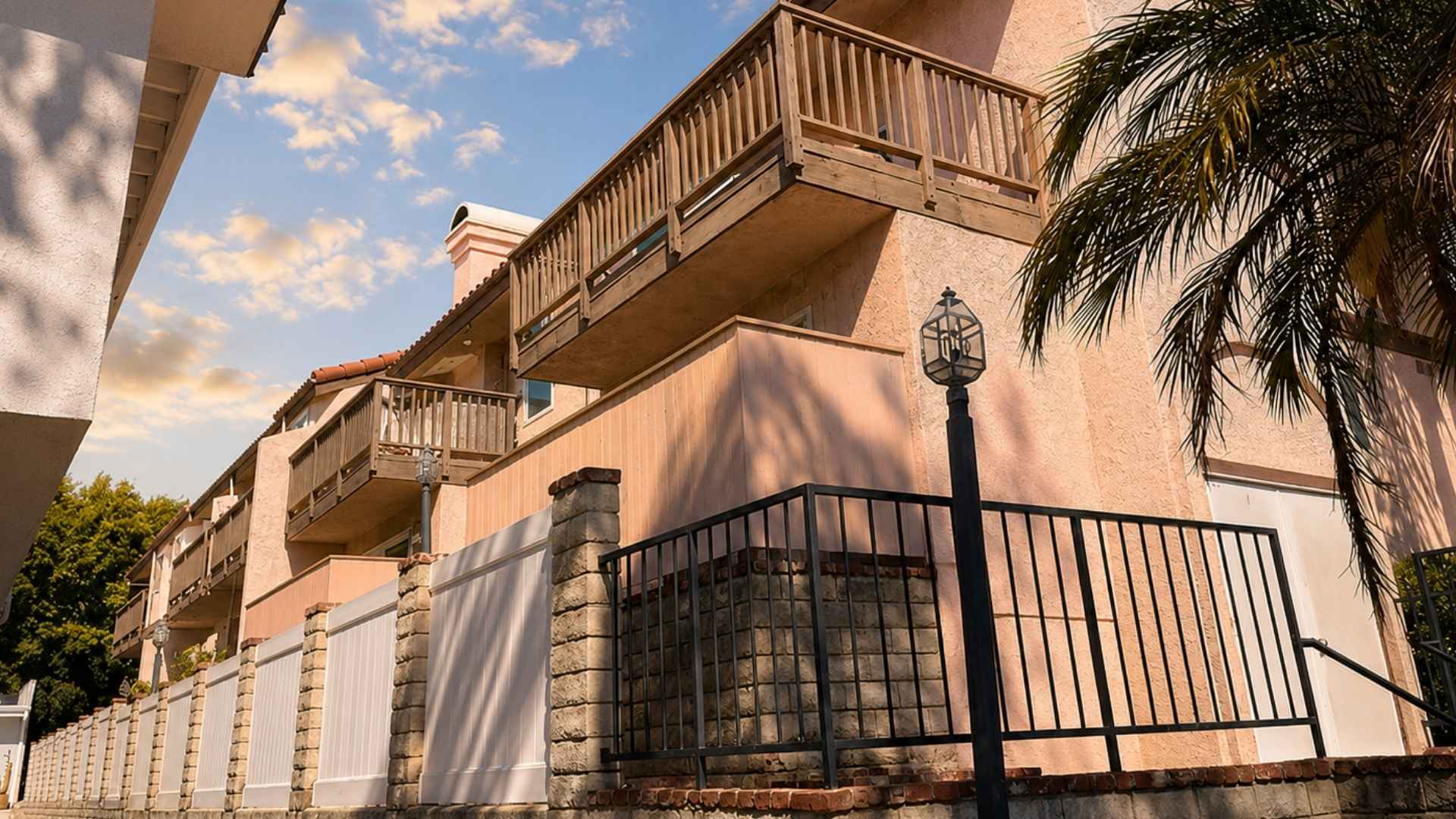
Identify Balconies, Stairs, Walkways, and Other Elevated Elements
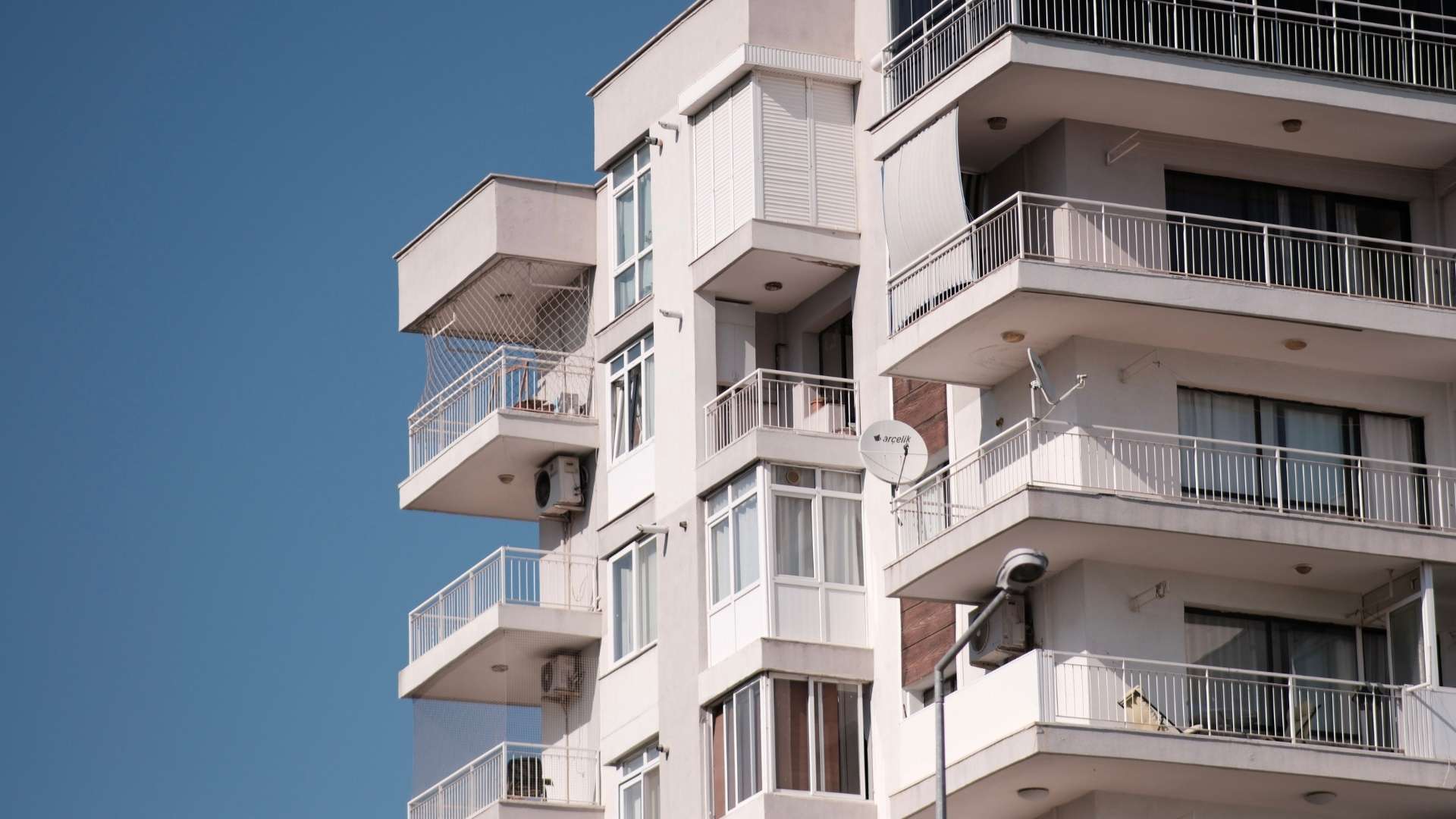
Before inspection day, property management should have a basic understanding of where the exterior elevated elements are located.
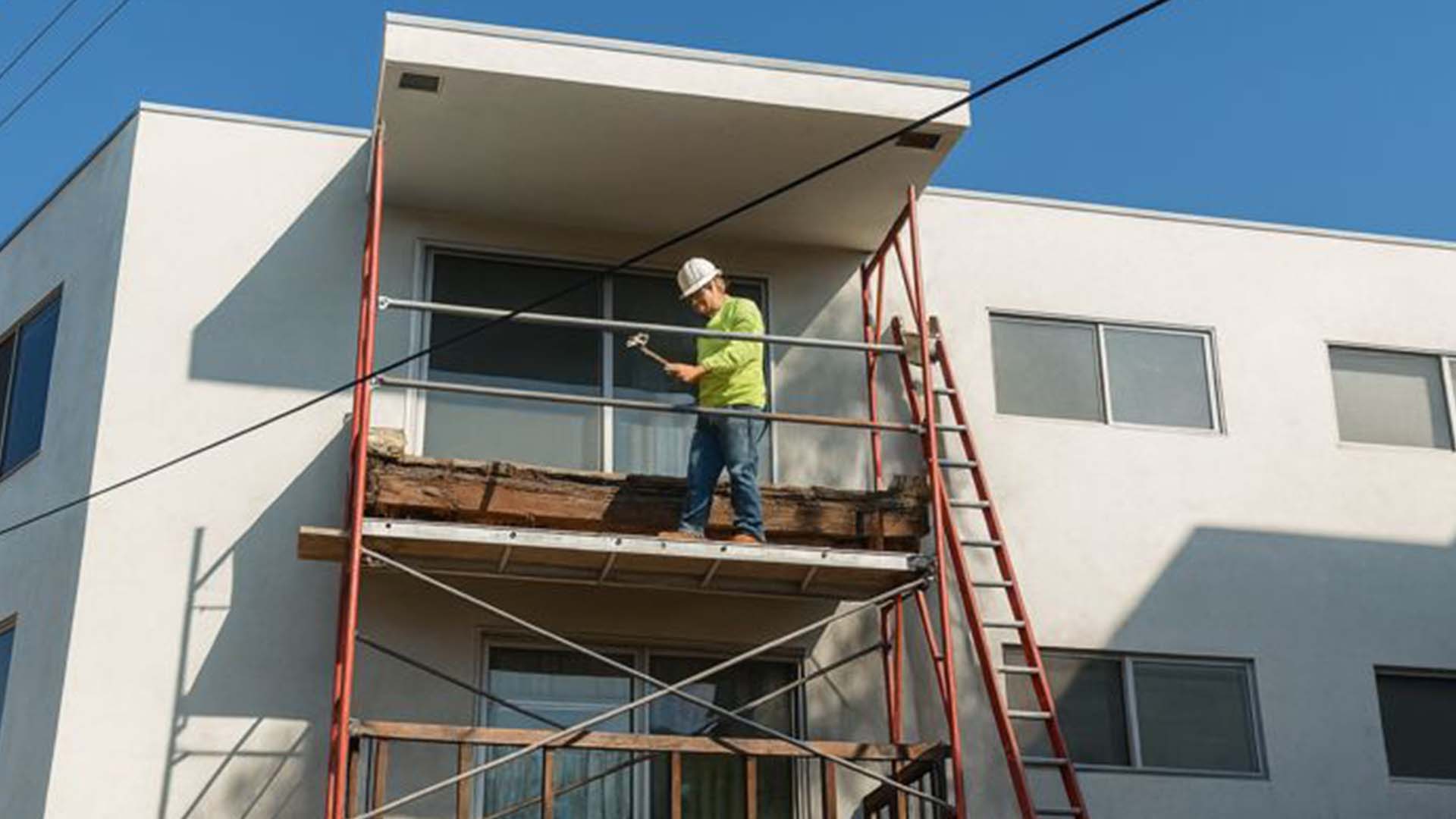
These may include balconies, decks, porches, exterior stairs, elevated walkways, and entry structures.
Some may be visible from common areas. Others may only be accessible through individual dwelling units.
Knowing the locations in advance helps determine where resident access will be required.
Coordinate Resident Notices Early
Resident access is often the biggest logistical issue.
If a balcony can only be reached through an apartment, the property manager may need to provide advance notice in accordance with applicable lease terms and California access requirements.
Build enough time into the schedule for proper resident communication.
The inspection company should not be expected to resolve access problems at the door on inspection day.
Ask Residents to Make the Area Accessible
Balconies often become storage areas.
Furniture, bicycles, planters, outdoor rugs, boxes, grills, and personal belongings can obstruct surfaces or prevent access to areas the inspector needs to examine.
Residents do not necessarily need to empty every balcony completely, but management should ask them to provide reasonable access to the walking surface, perimeter, railing areas, and other relevant locations.
The exact access needs may vary with the property.
Provide Keys, Gate Codes, and Common-Area Access
The inspection team may need access to locked gates, stair towers, utility areas, courtyards, garages, rooftops, or other controlled spaces to view exterior elevated elements from different locations.
Identify in advance who will provide:
Unit access
Master keys
Gate codes
Parking access
Mechanical or service-area access
Common-area keys
Having a property representative available can save substantial time.
Share Known Problem Areas
If management knows that a particular balcony has leaked, a stair landing has been repaired, or a resident previously reported movement or deterioration, tell the inspection team.
Known history does not replace the inspection.
It can, however, help the inspector understand prior conditions and identify areas that may warrant attention.
Avoid concealing a known condition because it may make the property look bad.
The purpose of the inspection is to establish the actual condition of the qualifying elements.
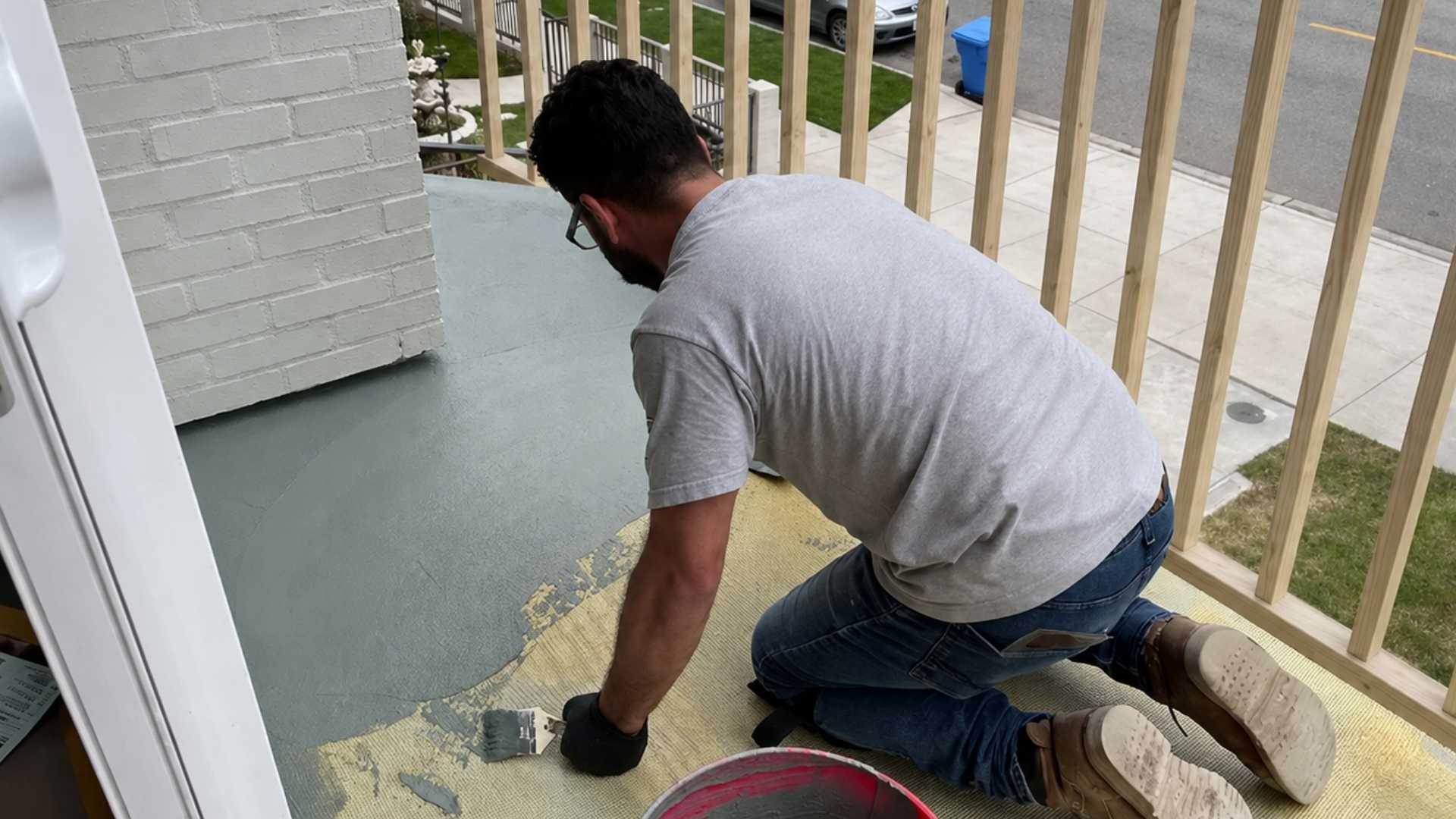
Avoid Cosmetic Work Immediately Before Inspection
Fresh paint or coating is not a substitute for inspection.
If a known condition exists, covering it immediately before the inspection may make evaluation more difficult.
Routine maintenance can continue as appropriate, but owners should avoid performing cosmetic work specifically intended to conceal deterioration from the inspector.
If recent repairs or coatings have already been completed, provide whatever records are available.
Have a Property Representative Available
For larger apartment properties, someone familiar with the building should ideally be available during at least part of the inspection.
That person may be able to answer questions about:
Unit locations
Previous repairs
Access routes
Leak history
Resident concerns
Property modifications
Locked areas
This can reduce delays and unnecessary return visits.
Understand That Preparation Is Not the Inspection
Property owners are not expected to determine which balconies pass or fail before the inspector arrives.
Preparation is primarily logistical.
The qualified inspector is responsible for conducting the inspection and documenting the findings.
Balcony & Deck Advisors helps Los Angeles multifamily owners and property managers coordinate SB 721 inspections, organize access, and establish a clear inspection process.
If your property has not yet completed its required SB 721 inspection or you need help preparing for a scheduled inspection, contact Balcony & Deck Advisors.