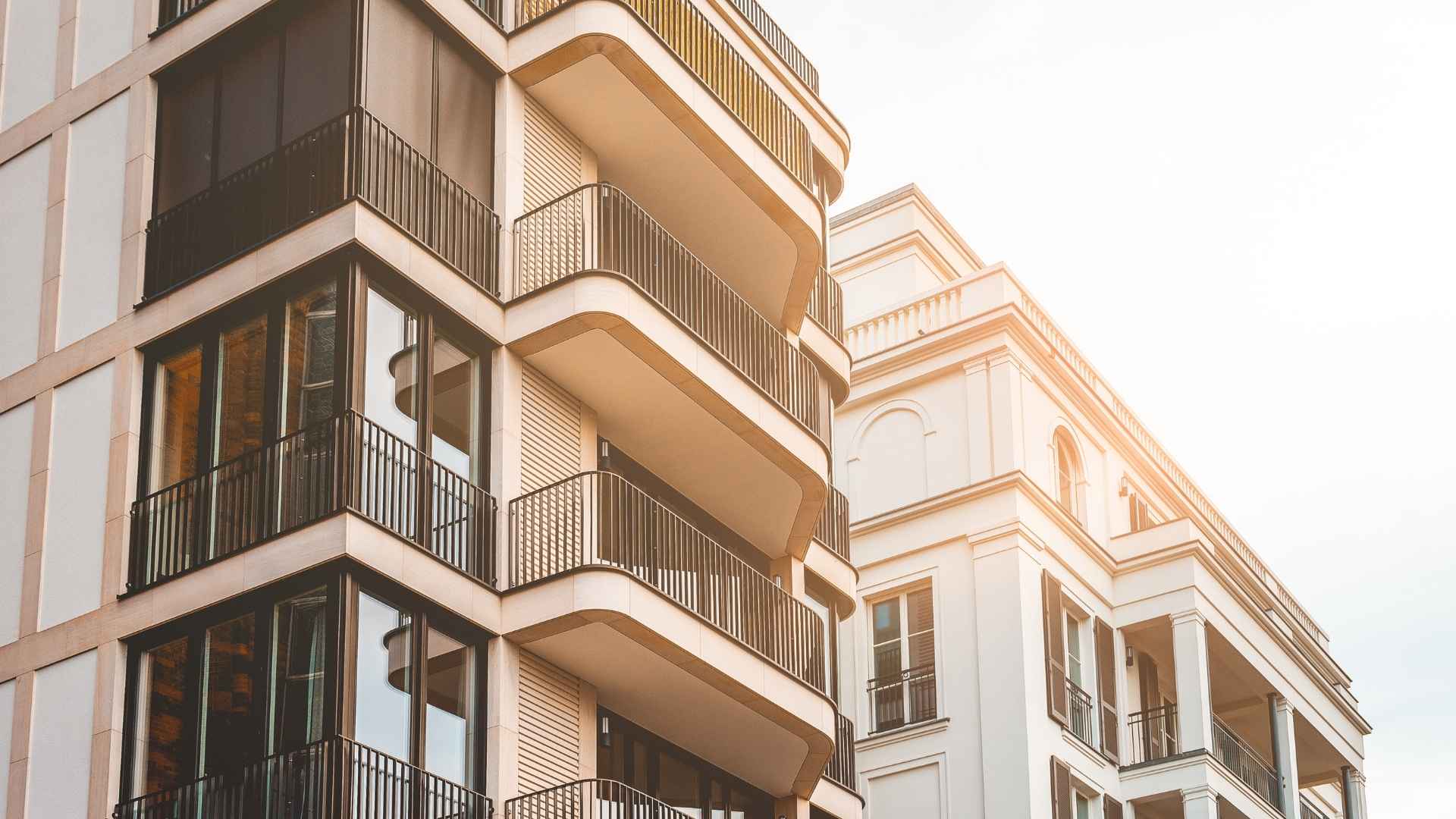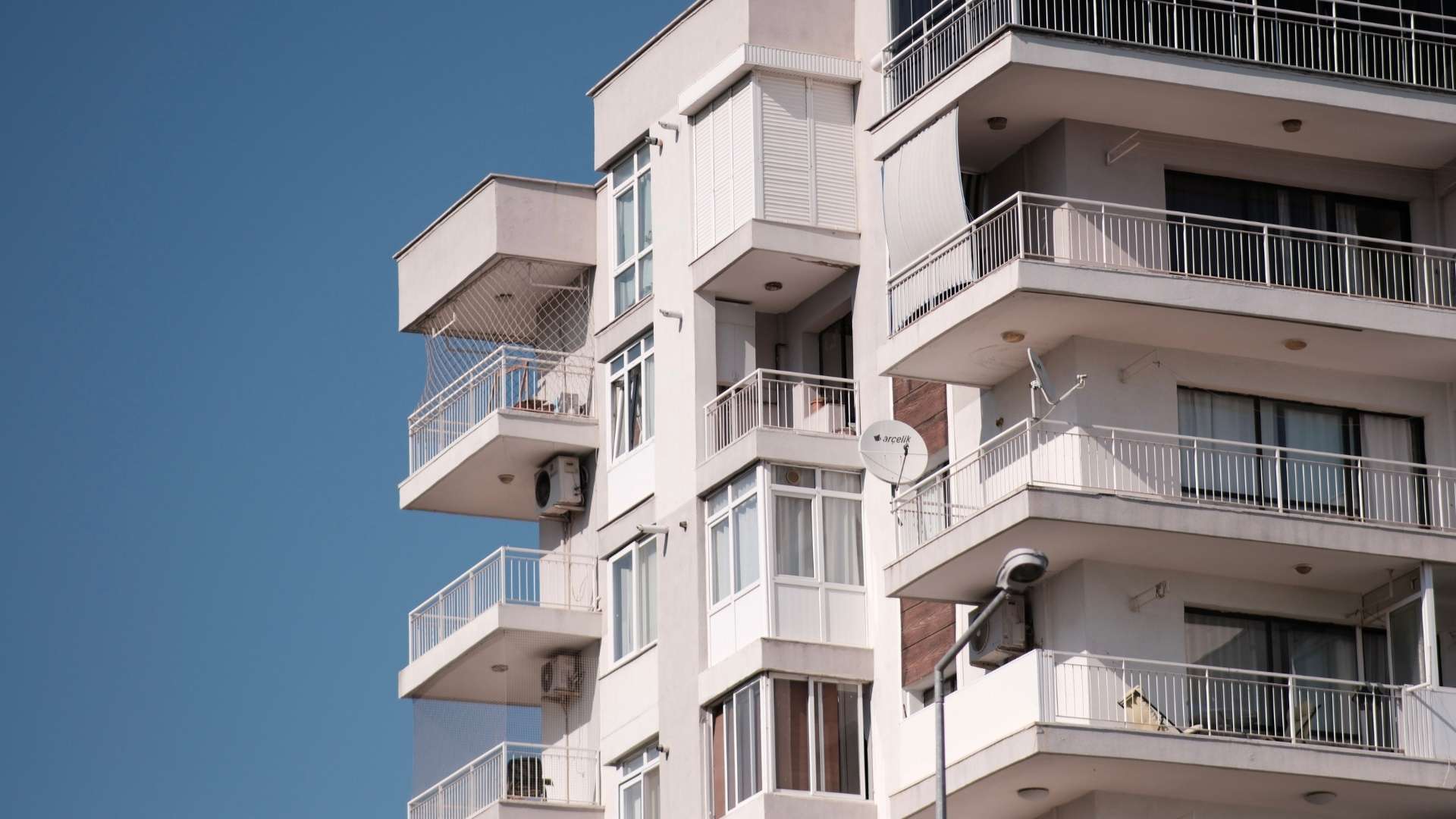
California’s SB 721 inspection requirements apply to qualifying multifamily buildings with three or more dwelling units that contain covered exterior elevated elements such as balconies, decks, exterior stairs, walkways, porches, and entry structures.
For apartment owners and property managers, one of the most common questions is simple: What actually happens during the inspection?
An SB 721 inspection is not just a quick look at the surface of a balcony. The purpose is to evaluate qualifying exterior elevated elements, their load-bearing components, and the waterproofing systems that help protect those components from moisture and deterioration.
Here is what owners can generally expect.
The Property Is Reviewed Before the Inspection
The inspection process often starts before anyone examines a balcony.
Basic property information helps establish what types of exterior elevated elements are present and which areas may fall within the inspection requirements.
Useful information may include:
Property address and number of dwelling units
Available architectural or structural plans
Previous balcony inspection reports
Records of prior balcony or stair repairs
Known leaks or waterproofing problems
Locations of exterior stairs, decks, balconies, walkways, or elevated entries
This preliminary information can make the field inspection more efficient and help identify areas that require access.
Qualifying Exterior Elevated Elements Are Identified
SB 721 does not apply to every exterior feature on a building.
The statute focuses on qualifying exterior elevated elements with walking surfaces more than six feet above ground level that are designed for human occupancy or use and rely substantially on wood or wood-based products for structural support or stability.
Depending on the property, qualifying elements may include balconies, decks, exterior stairways, walkways, porches, and elevated entry structures.
The inspector first needs to understand what types of qualifying elements exist at the property.
A Sample of Each Type Is Inspected
SB 721 does not automatically require inspection of every balcony, stairway, or walkway.
California law requires inspection of a sample of at least 15 percent of each type of qualifying exterior elevated element.
That distinction matters.
If a property contains balconies, exterior stairways, and elevated walkways, those are different types of elements. The required inspection sample is considered by type rather than treating every exterior elevated element as one combined group.
An inspector may inspect more than the statutory minimum when conditions or professional judgment warrant it.
The Inspector Evaluates Structural and Waterproofing Components
The inspection focuses on the components that support the exterior elevated element and the systems intended to protect those components from water.
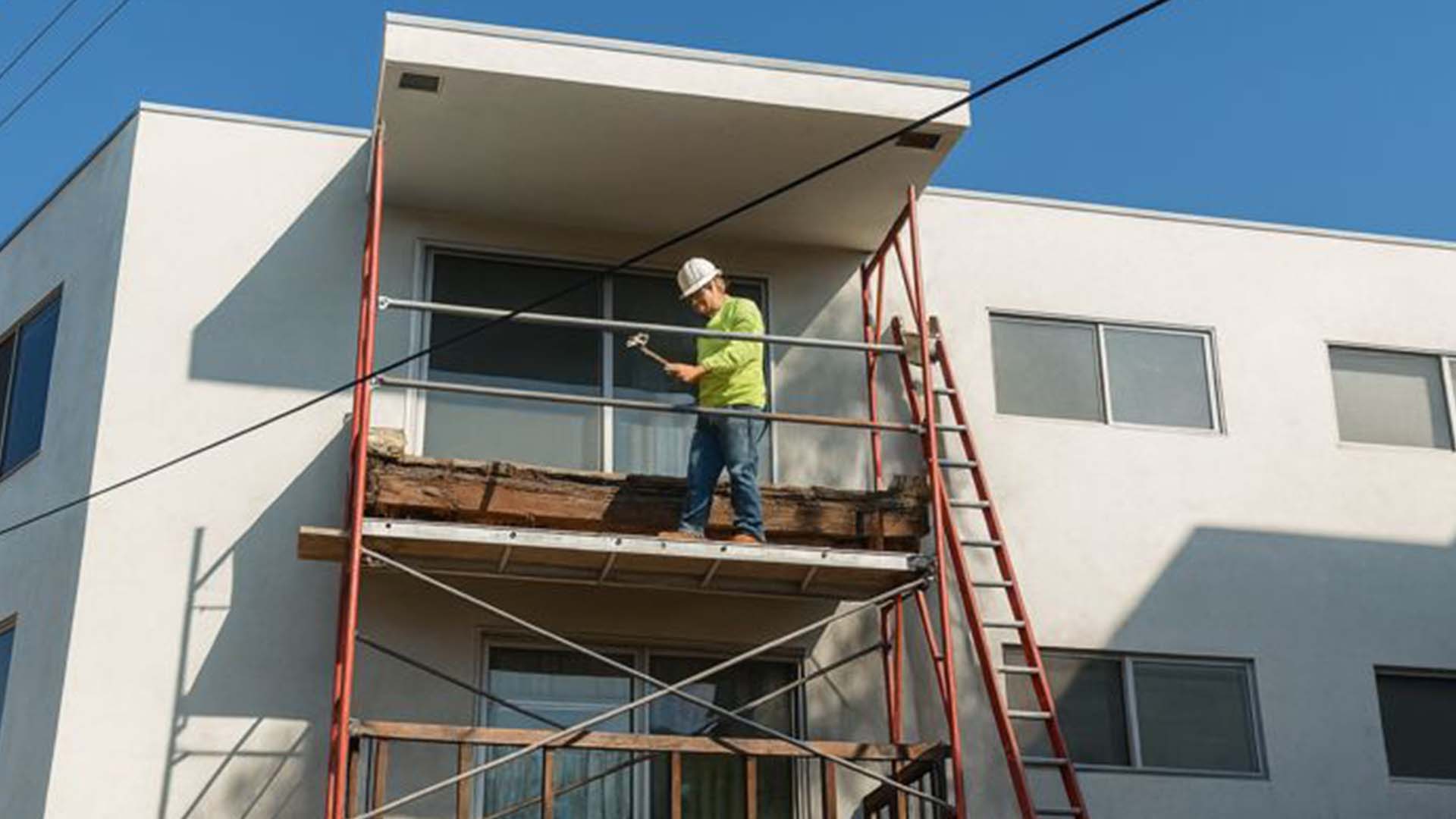
Depending on the construction and accessibility, the inspector may evaluate visible portions of framing, connections, supports, walking surfaces, railings, coatings, membranes, flashings, sealants, and other relevant components.
The inspector is looking for conditions that may indicate deterioration or reduced performance.
These can include visible decay, fungal damage, corrosion, cracking, failed waterproofing, moisture intrusion, improper alterations, or other conditions affecting the exterior elevated element.
Visual Examination Is the Starting Point
SB 721 calls for evaluation by direct visual examination or comparable methods capable of evaluating the performance of the components.
Some conditions are readily visible. Others may be concealed behind finishes, coatings, soffits, or other building materials.
When the available visual information is not sufficient to evaluate a condition, the inspector may recommend additional investigation.
That does not necessarily mean that every balcony requires destructive testing. The appropriate inspection method depends on the construction, accessibility, and conditions observed.
Resident Access May Be Necessary
Many qualifying elements are accessed through individual apartments or private balcony areas.
Property managers should be prepared to coordinate resident notices, keys, gate access, and entry to units where necessary.
Residents may also need to temporarily move furniture, planters, storage items, or other belongings that prevent reasonable access to the balcony or walking surface.
Good access planning can prevent delays and repeat visits.
The Inspector Documents the Findings
The inspection is followed by a written report.
For SB 721 inspections, the report is intended to establish a baseline condition that can be compared with future inspections.
The report generally includes photographs, applicable test results, observations about the current condition, expectations regarding future performance or service life, and recommendations for further inspection where appropriate.
The inspector also identifies whether any inspected exterior elevated element presents an immediate threat to occupant safety.
Not Every Finding Means the Same Thing
An inspection report may identify a range of conditions.
Some may involve routine maintenance or monitoring.
Others may warrant additional investigation.
Some may require corrective construction.
And an immediate safety condition requires a much different response than a maintenance recommendation.
Owners should read the findings according to the inspector’s actual classification and recommendations rather than assuming that every comment means the balcony must be replaced.
What Happens If Repairs Are Recommended?
The inspection report establishes the observed condition and the inspector’s recommendations.
It is not necessarily a complete construction scope, repair design, permit set, or contractor proposal.
When corrective construction is recommended, the report can be provided to LA Construction Consultants for a separate construction review.
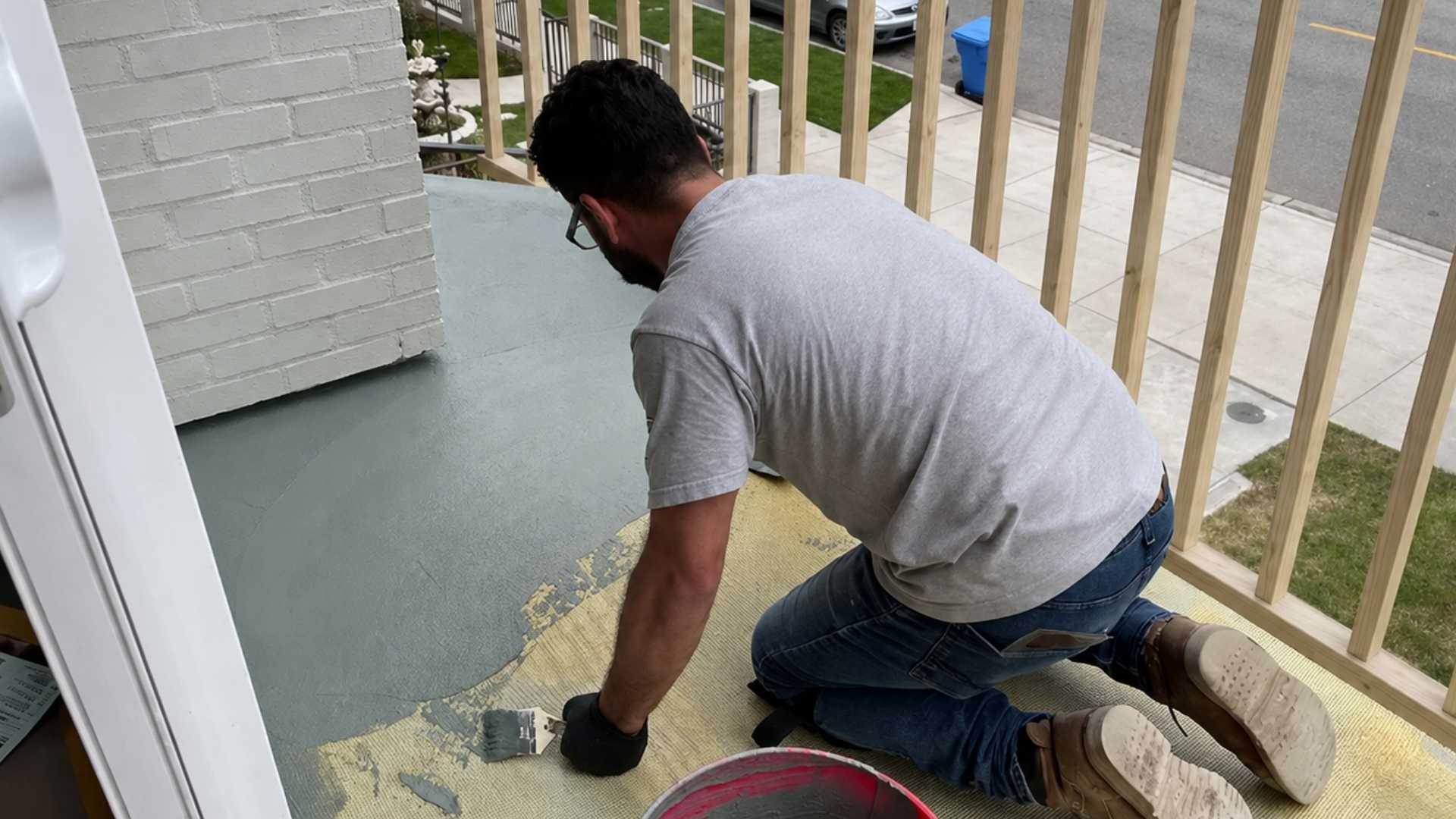
LACC can evaluate the recommendations, develop a proposed repair scope and budget, coordinate appropriately licensed architects or engineers when required, address permitting requirements, and perform approved repair work.
Balcony & Deck Advisors focuses on getting owners through the inspection process clearly and efficiently.
If you own or manage a qualifying Los Angeles multifamily property and need an SB 721 inspection, contact Balcony & Deck Advisors to discuss the property and the appropriate next step.