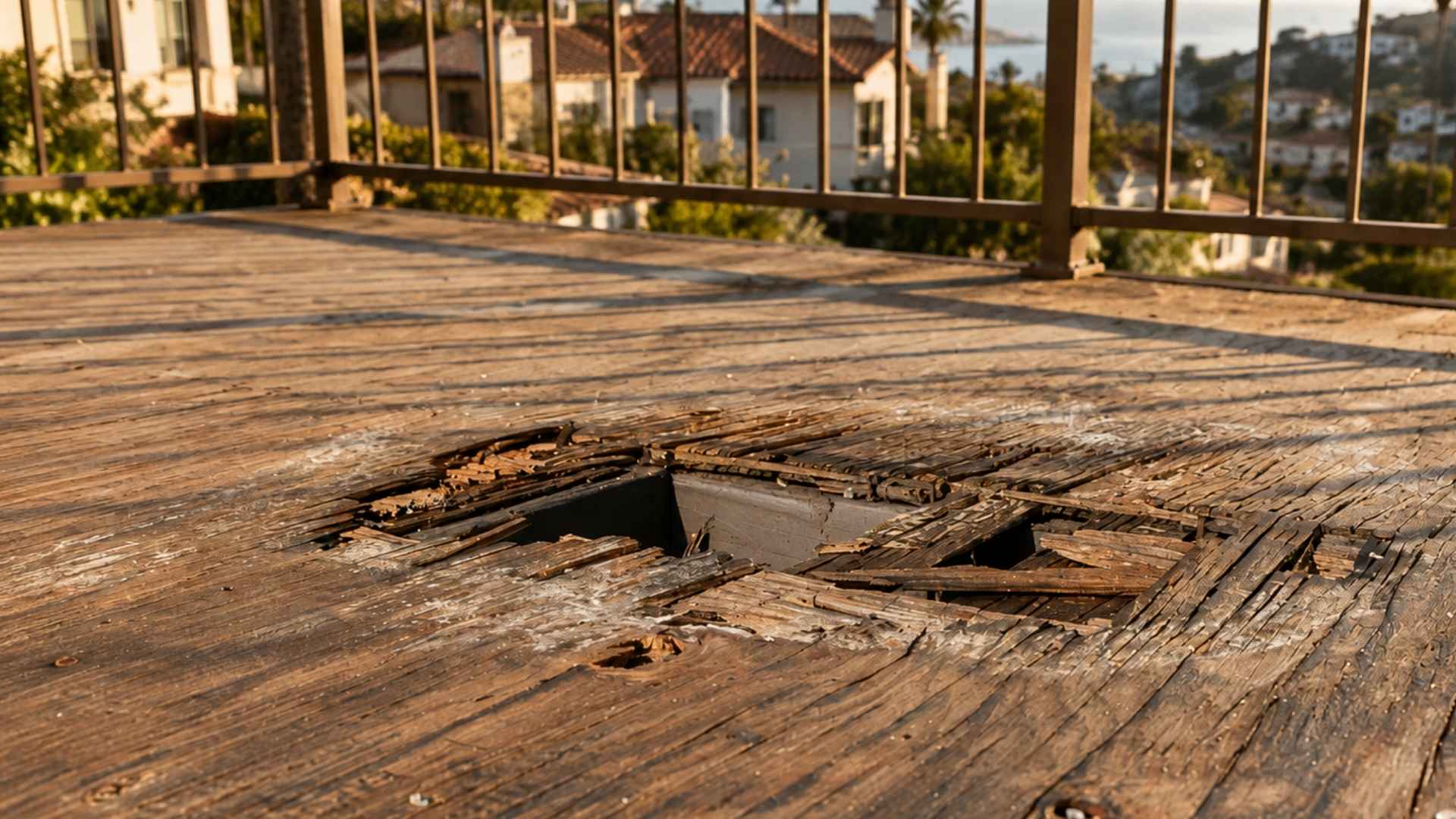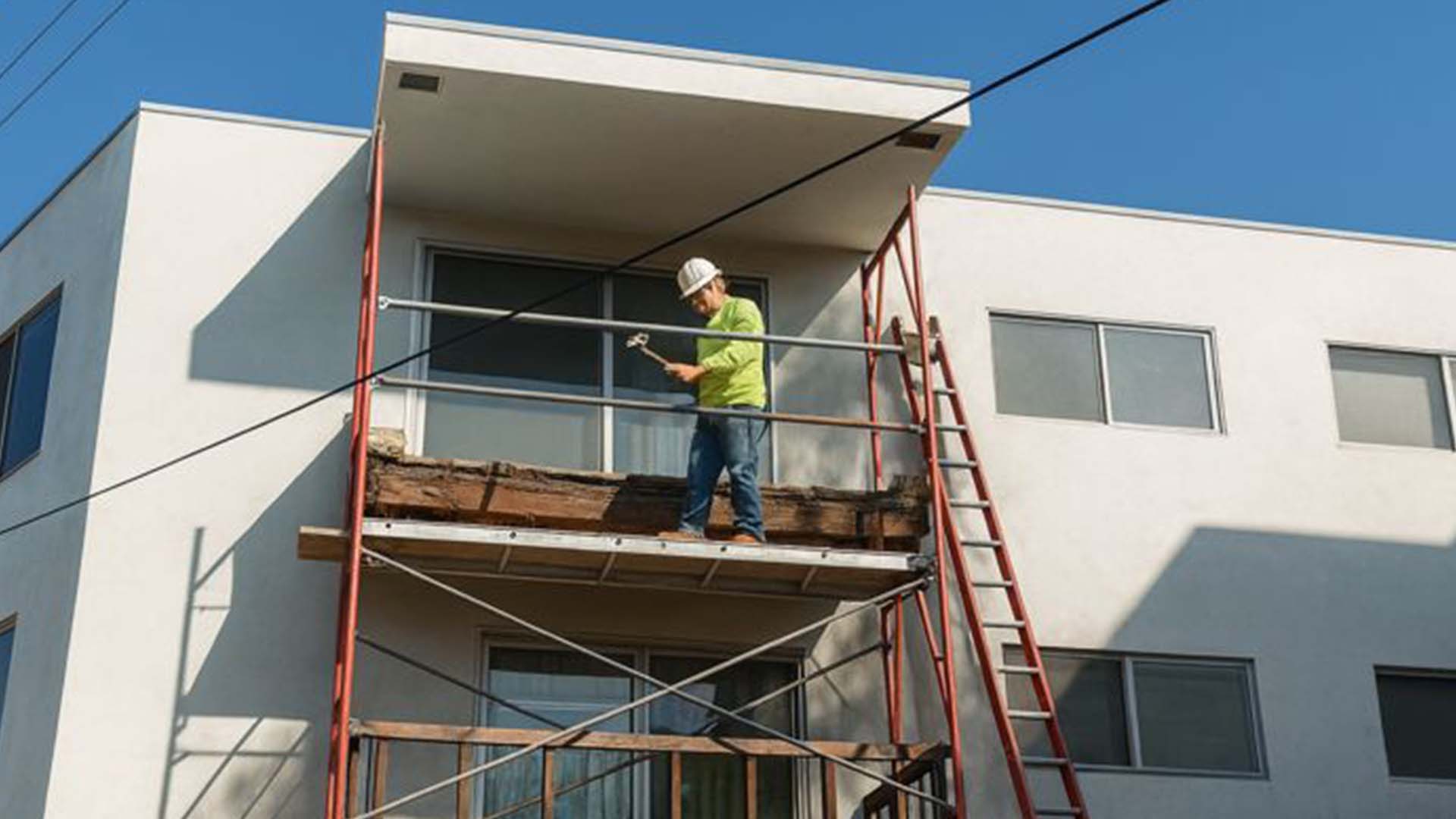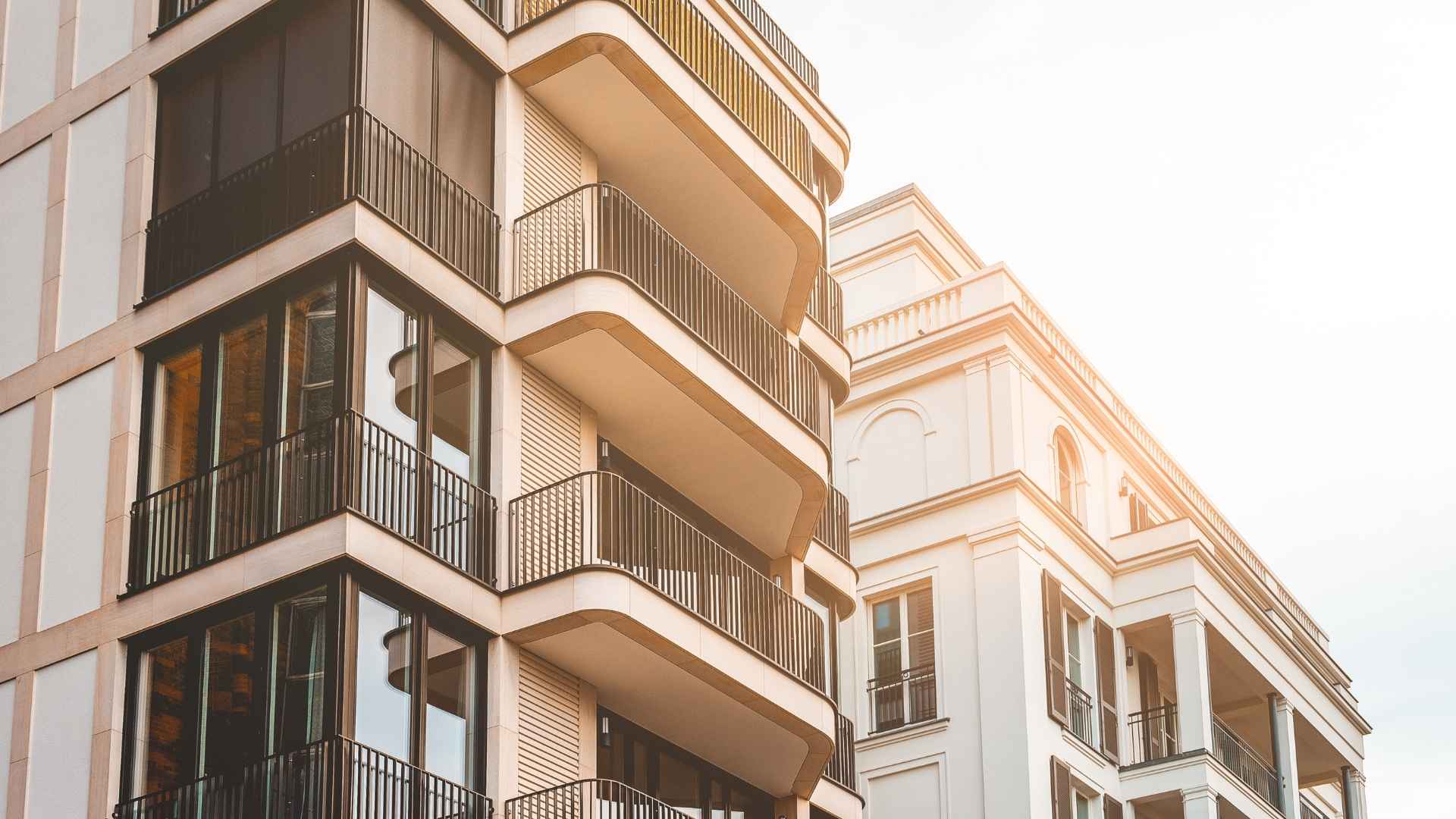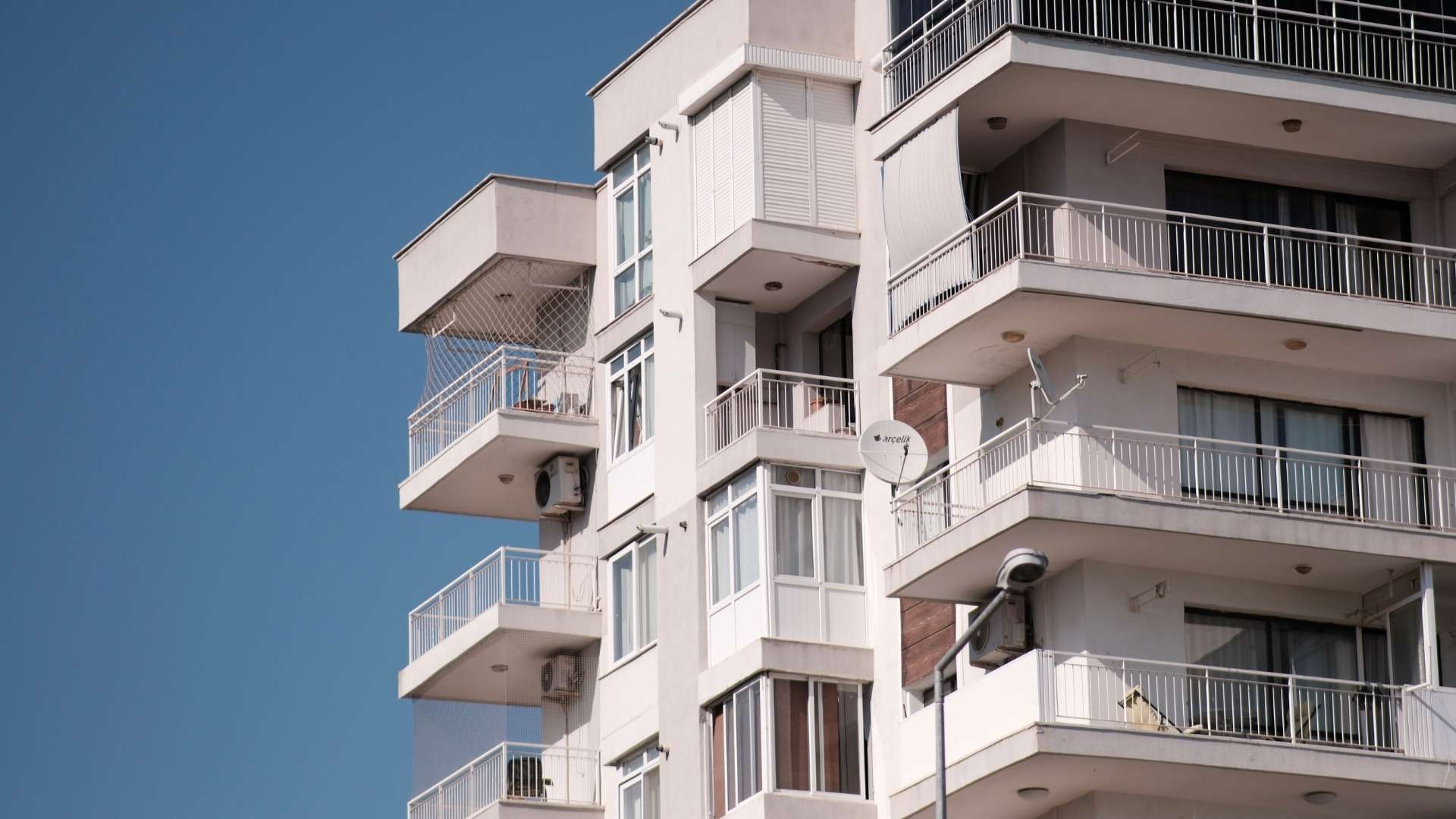
The missed SB 721 deadline is now a real issue for California apartment owners whose covered buildings were not inspected by January 1, 2026. Waiting for a complaint, enforcement notice, sale, or visible deck problem will not reset the deadline—and can leave the owner trying to solve several problems at once.
This article is for apartment owners and property managers who are unsure whether their building was inspected or already know that it was not.
Has the SB 721 deadline already passed?
Yes, for many existing covered apartment buildings. California Health and Safety Code section 17973 required the initial inspection to be completed by January 1, 2026, with inspections recurring every six years.
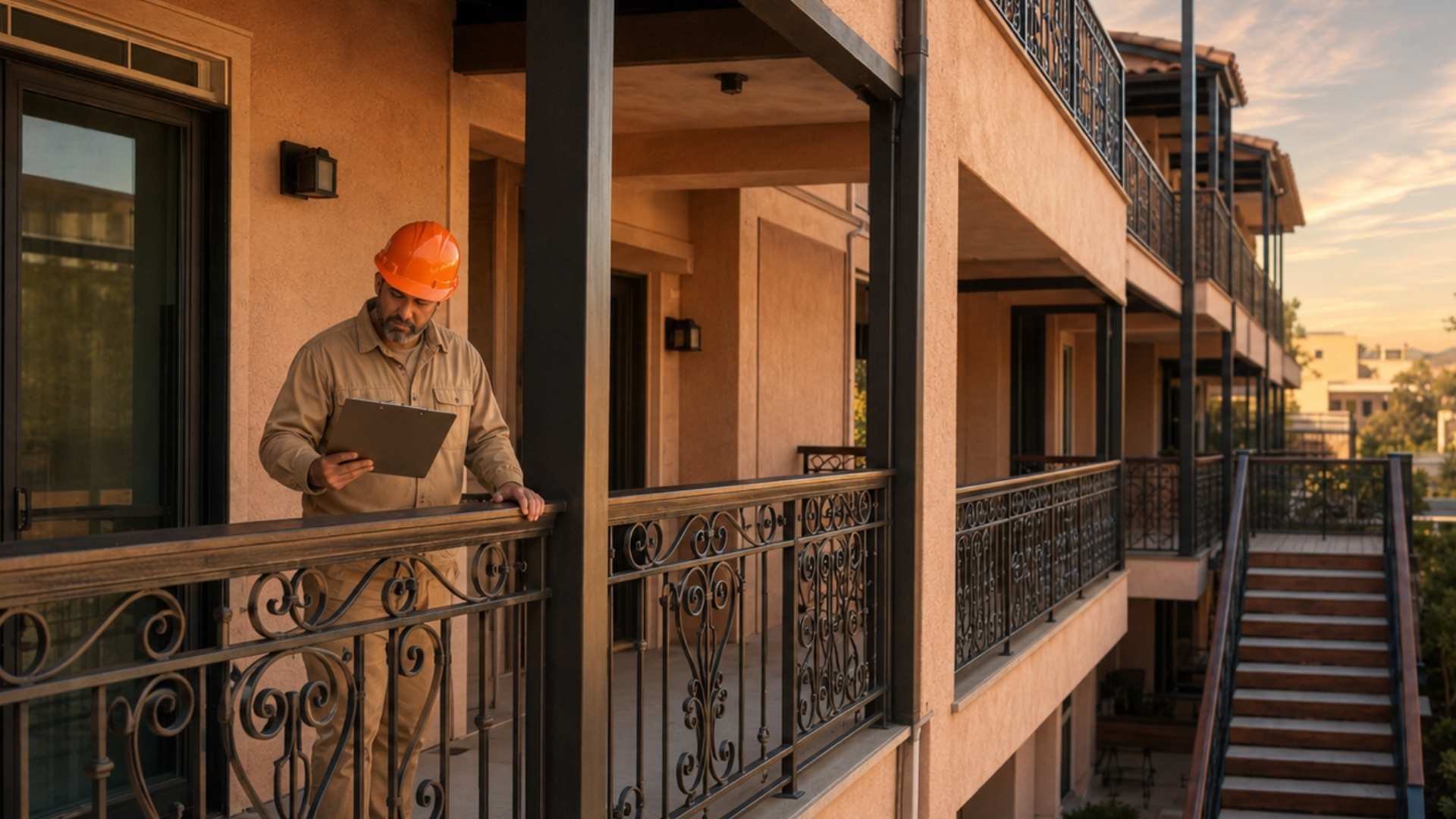
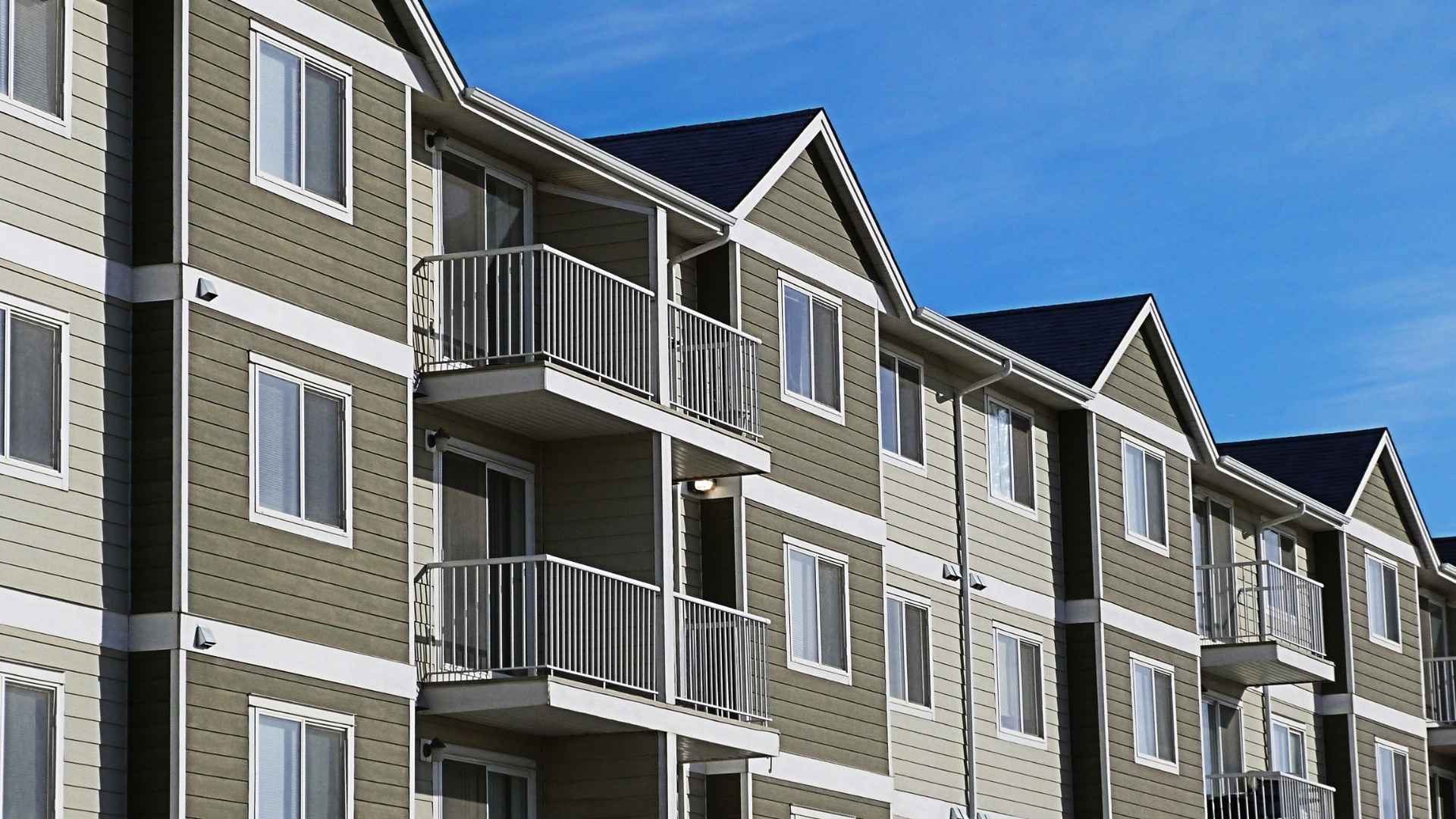
The law generally applies to buildings containing three or more multifamily dwelling units with qualifying exterior elevated elements. These may include wood-supported decks, balconies, porches, stairways, walkways, entry structures, supports, and railings with a walking surface more than six feet above ground.
Newer buildings can have a different timeline. When the building permit application was submitted on or after January 1, 2019, the inspection generally must occur no later than six years after the certificate of occupancy. Local jurisdictions may impose requirements that are more stringent than the state minimum.
Can I wait until the next six-year inspection cycle?
No. The recurring cycle does not excuse an overdue initial inspection. If the property was required to complete its first inspection by January 1, 2026, the practical response is to address the overdue obligation now.
Waiting can make the process harder. Records may be lost, managers may change, resident access may become more difficult, and an unrelated event—such as a tenant complaint, refinance, proposed sale, or visible deterioration—may put the missing report under immediate scrutiny.
Acting now creates a documented response: the owner identified the issue, assembled the property information, coordinated an authorized inspector, and began addressing the obligation.
What could happen if the owner continues to do nothing?
Section 17973 gives local enforcement agencies authority to enforce the inspection and repair requirements and recover their enforcement costs. It also establishes a penalty process when required corrective work remains incomplete.
The statute does not say that every late inspection automatically produces an immediate daily fine. For repairs that remain uncompleted after the statutory notice process, however, the local authority may assess a civil penalty of $100 to $500 per day. A building safety lien may also be recorded in connection with an assessed civil penalty.
Those consequences are serious, but the more immediate business problem is uncertainty. Without a qualifying inspection and report, the owner may not have a reliable answer when residents, buyers, managers, lenders, insurers, or enforcement officials ask about the condition and inspection status of covered exterior elements.
How do I know whether a previous inspection counts?
Look for the complete signed or stamped report—not only an invoice, proposal, repair estimate, maintenance record, or collection of photographs.
An SB 721 report should identify the inspected elements, document conditions, contain photographs and relevant test results, discuss current condition and expected future performance, and state whether further inspection or immediate safety measures are recommended. The inspector must provide the report to the owner or designated agent within 45 days after completing the inspection.
If the file does not contain a report that meets the statutory requirements, do not assume that a prior contractor visit satisfied the law. Have the available records reviewed and coordinate the correct inspection path.
Who may perform the overdue inspection?
Health and Safety Code section 17973 allows an SB 721 inspection to be performed by a licensed architect; licensed civil or structural engineer; an A, B, or C-5 licensed contractor with at least five years of the specified experience in multistory wood-frame construction; or a qualifying certified building inspector or building official recognized by the local jurisdiction.
Balcony & Deck Advisors helps owners and property managers identify the applicable inspection path, organize records and access, and coordinate the authorized inspection professional. The professional authorized under section 17973 performs the statutory inspection and signs or stamps the report.
What if the inspector finds a dangerous condition?
An exterior elevated element that the inspector says poses an immediate threat requires immediate preventive measures. Preventing occupant access until emergency repairs can be completed is one way the statute allows an owner to respond.
The inspector must provide a report involving an immediate threat, access restriction, or emergency-repair recommendation to the owner and local enforcement agency within 15 days after the report is completed. Emergency repairs must follow the applicable professional recommendations, permit requirements, building standards, and local rules.
This possibility is not a reason to avoid the inspection. It is a reason to find out whether a safety issue exists before the owner loses control of the timing and response.
What if the report recommends repairs but says they are not an emergency?
For a non-emergency corrective finding under section 17973, the owner generally must apply for a permit within 120 days after receiving the inspection report. After the permit is approved, the owner generally has 120 days to complete the repairs unless the local enforcement agency grants an extension.
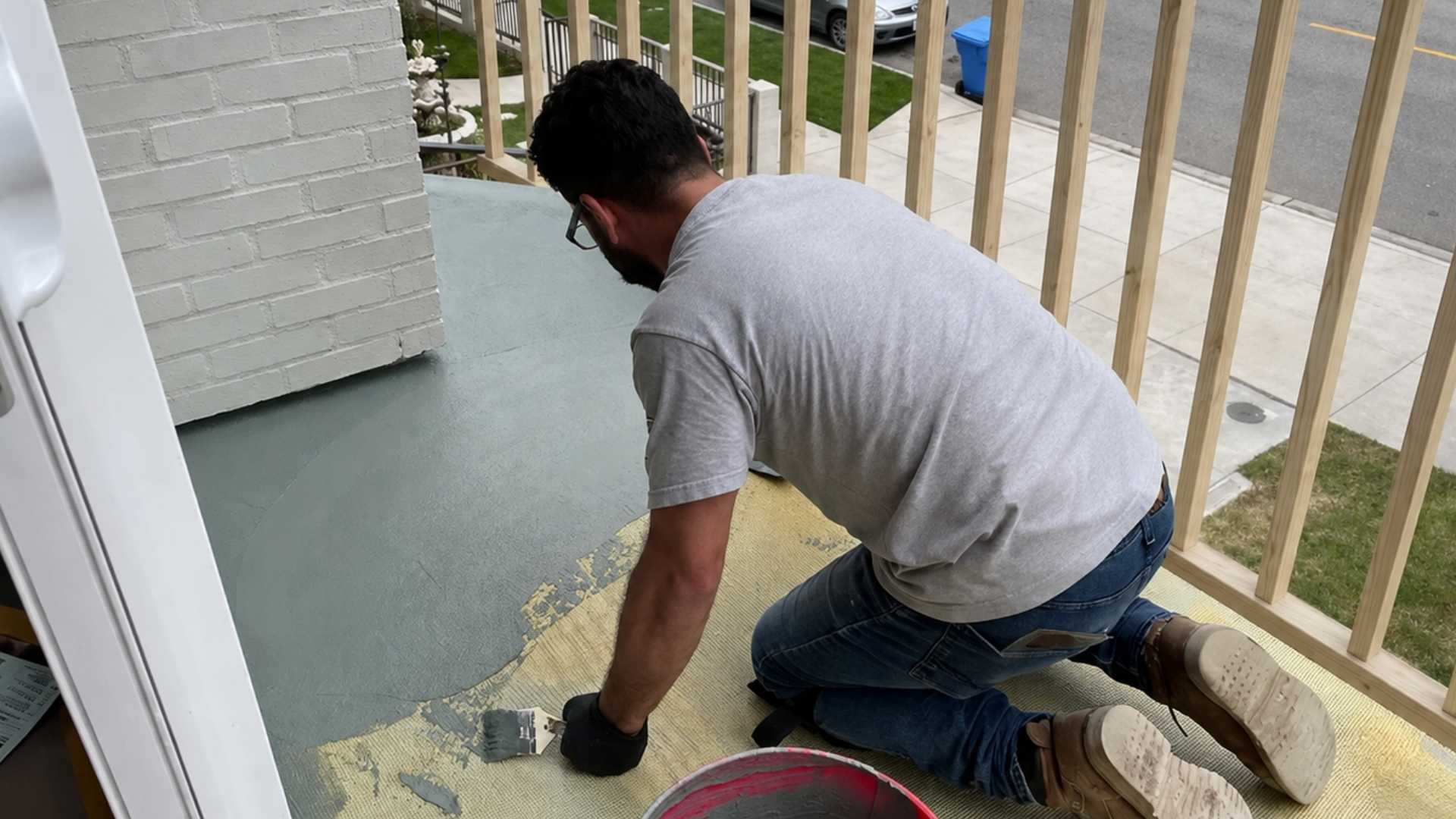
Inspection and repair should be documented as separate phases. Once the authorized inspector issues the findings, affiliated company LA Construction Consultants (CSLB License #1061967) can separately review the report, develop a construction scope and
proposal, coordinate design professionals and permits when required, and perform approved repairs. Owners may compare qualified proposals before selecting a repair contractor.
What should an overdue property owner do this week?
Start with five items:
- Confirm the number of dwelling units and ownership structure.
- Gather plans, certificates of occupancy, prior reports, repair records, and waterproofing information.
- List decks, balconies, exterior stairs, walkways, landings, and other possible exterior elevated elements.
- Identify resident-access requirements and a site contact.
- Coordinate a review with an appropriately qualified inspection professional.
Do not spend another month debating whether the property might be covered while the deadline is already behind you. A short property review can identify the correct next step.
Related reading: SB 721 compliance after January 1, 2026 · SB 721 repair deadlines · Who can perform SB 721 and SB 326 inspections
Next step: If your SB 721 inspection may be overdue, request a free project review through our deck inspection service page or call 424-946-8057.
Written October 20, 2026. This article provides general information, not legal or engineering advice. Confirm property-specific obligations and local requirements with the appropriate qualified professional or legal counsel.